India Travel Advisory: What Tourists Need to Know Before Visiting
Updated: April 16, 2026
India is one of the world’s most diverse travel destinations, known for its rich culture, history, and landscapes—from the Himalayan mountains in the north to the tropical beaches of Goa and Kerala in the south. India is a country of extraordinary cultural heritage, historical sites, and spiritual richness, with its highest points being in the Himalayan mountain ranges in the north and the tropical beaches of Goa and Kerala in the south. However, travelers should review the latest India travel advisory before planning their trip.
This guide provides detailed information on safety, health precautions, legal requirements, transportation conditions, and practical tips for traveling responsibly in India.
Prepare for your trip to India by reviewing the State Department Travel Advisory, entry and exit requirements, local laws, and embassy tips.
Overview of the India Travel Advisory Status
India is generally considered a safe destination for international travelers, but many governments classify India as “Exercise Increased Caution.” This advisory level does not mean travelers should avoid India entirely. Rather, it helps visitors to be vigilant, be aware, and adopt the common safety measures during their visit.
Travel conditions in India vary significantly by region. New Delhi, Mumbai, Jaipur, Agra, Goa, Kerala, and Rajasthan are major tourist destinations. where millions of tourists travel annually without any major incidents. These are usually places with good tourism facilities, noticeable police presence, and established emergency services.
Nevertheless, some areas usually fall in the higher warning categories of the official warnings. These may include:
- Border areas near Pakistan
- Regions of Jammu & Kashmir (those close to the Line of Control in particular)
- Some northeastern states may experience localized instability.
Travelers are generally advised not to visit border areas unless necessary, and to ensure they have the required permits in case of going somewhere where it is restricted.
It is also necessary to know that advisory levels may vary as a result of political developments, security issues, or natural disasters. This means that tourists can always visit the official travel advisory site of their respective governments before traveling.
Stay informed with the latest travel advisories and visa information before travelling to India.
Safety and Security Considerations in India: What Travelers Should Know
1. Crime and Personal Safety
Petty crime is one of the most frequently reported issues when it comes to foreign travel advice in India. Although it is not common to find violent crime against tourists, minor crimes like pickpocketing, bag grabbing, mobile phone theft, and overcharging are reported in major cities and tourist spots. Some of the common places where such incidents may take place are crowded markets, railway stations, buses, and other common landmarks.
Travelers should also be aware of schemes aimed at them by fraudsters. These can be false tour guides, unauthorized ticket vendors, taxi drivers who refuse to take meters, or people who insist that a hotel or attraction is closed so that they can divert tourists elsewhere. Other scams involve counterfeit currency or misleading exchange rates. Travel advice India can also assist travelers to know the general frauds and not take unnecessary risks.
Travelers are advised to carry minimal valuables even during the day, buy anti-theft bags, and keep their passports and additional cash locked up in the hotel safes to prevent theft. Taking costly jewelry or electronics out in the street is inadvisable. One should also store digital and physical copies of valuable documents and use licensed cabs or reliable ride-hailing apps. Simple awareness and precaution will go a long way in diminishing the chances of problems.
2. Terrorism and Civil Unrest
According to most foreign travel advice in India, there remains a general but low risk of terrorism in certain parts of the country. While incidents are rare, attacks in the past have targeted crowded public places such as markets, transport hubs, and major city centers. Travelers are advised to remain vigilant, particularly in high-traffic areas.
Civil unrest and political demonstrations occur periodically in India. Most protests are peaceful; however, large gatherings can escalate unexpectedly. Government travel advice for India can help visitors to familiarize themselves with the typical fraud schemes and to eliminate unnecessary risks.
Avoiding large crowds is a key safety recommendation. Major festivals, public celebrations, or protests may attract significant numbers of people, increasing the risk of accidents or security concerns. Monitoring local news, hotel advisories, and official government travel advice updates for India is essential during your stay. Staying informed allows travelers to adjust plans quickly if necessary.
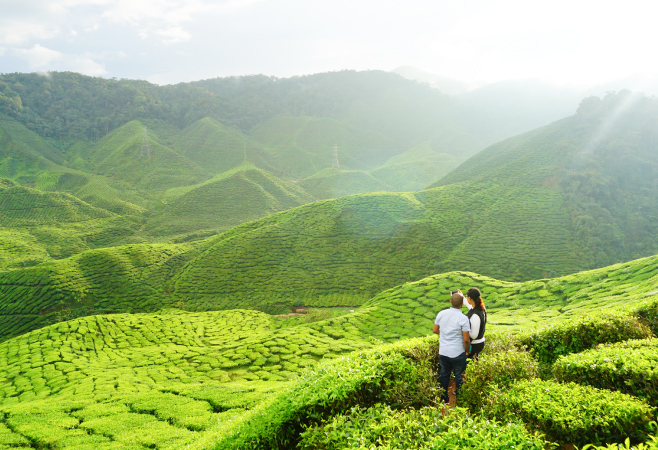
There is a heightened risk of terrorism in some Indian regions
3. Safety for Solo and Female Travelers
India is a good tourist destination for solo travelers, including women, though one must be aware of the culture. Dress code should be modest, particularly in the villages and places of worship. Shoulders and knees should be covered in order not to attract attention and show respect to local traditions.
Another concern is transportation safety. Registered cabs, reputable ride-hailing services, or pre-booked hotel transport (especially at night) should be used by solo travelers. Some routes have female-only train compartments and can be more comfortable.
In case of emergency, travelers can contact the national police at 100, and ambulance services can be contacted at 102 or 108. Maintaining contact details of embassies is also highly suggested. By following updated foreign travel advice for India guidelines and staying updated with the help of sources of reliable information, the solo traveler and female travelers will be able to have a safe and fulfilling experience.
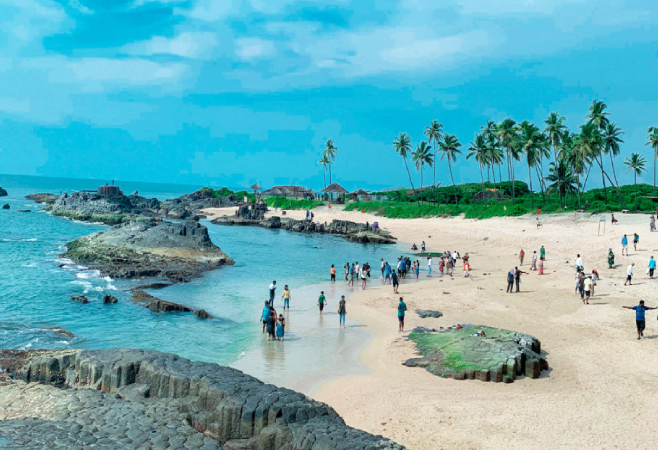
For a first trip, consider South India, from Karnataka to the southern tip, an area considered safer for solo female travelers
Health and Medical Advisory for India
Health preparation is an essential part of any India travel advisory. Different climatic conditions, population density, and regional health conditions of India require travelers to think before traveling. The review of official foreign travel advice in India and talking to healthcare professionals will help to positively impact the elimination of health-related risks during your trip.
Recommended Vaccinations
Most health authorities recommend that they ensure that normal immunizations are current before they travel to India. These typically include:
- Routine vaccines (MMR, Tetanus, Polio)
- Hepatitis A
- Hepatitis B
- Typhoid
- Rabies (for extended rural travel or animal exposure)
- Japanese Encephalitis (in specific rural or agricultural regions
Malaria prevention can also be regarded as one of the concerns of some travelers based on the destination they are going to. The requirements and recommendations differ according to the itinerary of the travel, the duration of stay, and the health factors of the particular person.
Travelers should visit a travel health clinic 4–8 weeks before travelling to enable time to be taken to get vaccinations or preventive medicines.
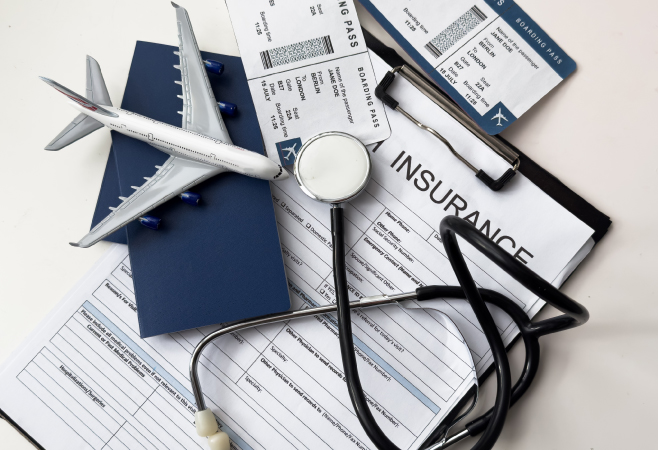
All travellers visiting India should preferably be fully vaccinated
Food and Water Safety
One of the most prevalent health problems faced by visitors to India is foodborne illness. Differences in food handling standards and water and sanitation may increase the risk of foodborne illnesses.
Guidelines:
- Drink bottled or purified water only
- Avoid ice unless its source is confirmed safe
- Eat freshly prepared, fully cooked foods
- Peel fruits yourself
- Be cautious with street food, especially from vendors with poor hygiene practices
Although Indian food is known worldwide and is rich in variety, the level of hygiene may differ greatly across the restaurants. Simple precautions like selecting reputable restaurants to dine at and ensuring that the environment is clean are easy to do before eating.

A realistic guide to food, water, and hygiene in India with practical tips that build confidence instead of fear for foreign travelers.
Air Quality and Climate Conditions
In large cities like Delhi, air pollution may be severe, especially during the winter seasons. Asthmatic travelers or those with respiratory issues are advised to keep track of every air quality report on a daily basis and keep in mind that they might need to take some relevant medication or even wear a mask to protect themselves.
India’s climate varies widely across regions:
- The temperature can get very hot in the north (as high as 45°C / 113°F) during the summer months.
- Flooding and disruption of transportation may occur during the monsoon season (June–September).
- The eastern and western coastlines may be impacted by cyclones.
It is better to plan the travel in the middle seasons because it is less dangerous and more comfortable. Hydration and not spending too much time in the sun are of particular importance in hot climates.
Access to Medical Care
Major cities in India provide world-class private hospitals, which include:
- Delhi
- Mumbai
- Chennai
- Bangalore
These hospitals are usually of international standards and have English-speaking medical staff. Medical services in rural or remote settings may, however, be scarce in both equipment and availability.
It is highly recommended that travelers should buy all-inclusive travel cover that includes:
- Emergency evacuation
- Hospitalization
- Repatriation
Adequate medical preparation ensures that your visit to India remains safe, healthy, and enjoyable.
Entry Requirements and Legal Considerations for India
Knowing the entry regulations and Indian laws is a crucial aspect of traveling to India. The major legal and regulatory points that visitors have to consider prior to departure are presented below.
Visa Requirements
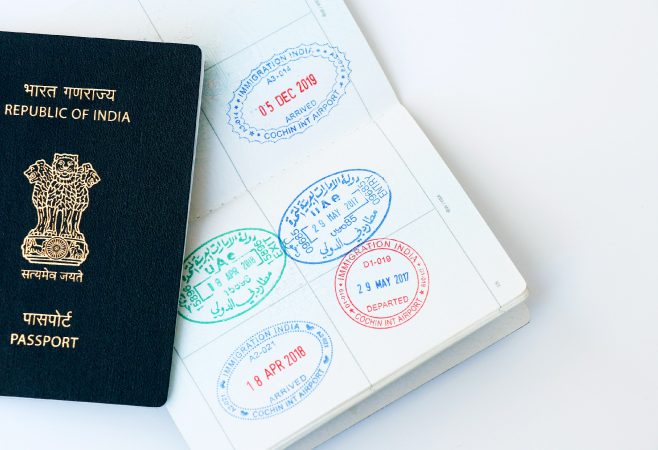
Most foreign nationals require a visa to enter India. Before booking flights, travelers should confirm that they are eligible and their visa category.
India provides some of the nationalities with an electronic visa (e-Visa). These are usually divided into categories:
- Tourist e-Visa
- Business e-Visa
- Medical e-Visa
The e-Visa system allows applicants to apply online, but approval must be granted before departure.
Passports must generally be valid for at least six months beyond the date of entry into India, and the travelers are typically required to have at least two blank pages to be stamped by immigration.
Travelers should apply only through official channels to avoid fraud or third-party scams.
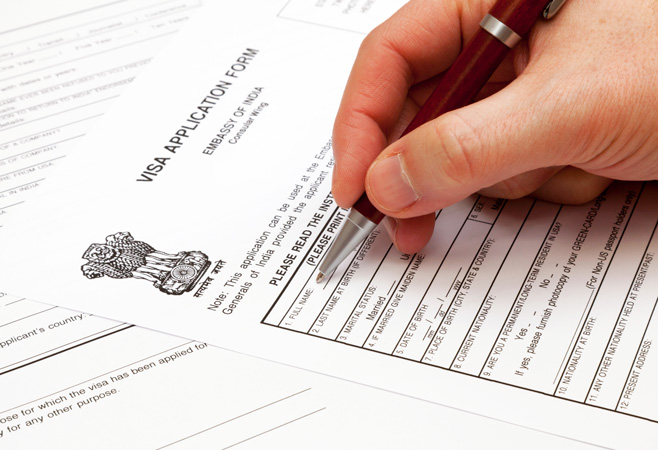
Citizens of numerous countries can apply for an Indian visa online prior to their trip, thanks to the country's e-Visa system
Customs Regulations
India has stringent laws on customs, which every traveler is expected to adhere to when in the country.
Travelers must declare:
- Large amounts of foreign currency.
- Beyond personal-use expensive electronics.
- Professional filming equipment.
They may be fined or have items confiscated for not declaring items.
- Narcotics
- Satellite phones (without prior government permission)
- Certain drones or unmanned aerial devices
Indian drug laws are strictly enforced, and possession or trafficking of drugs can result in severe penalties, which can be imprisonment.
Cultural and Religious Sensitivities
India is a religious country with a multicultural background. Tourists will have to observe the local culture and social values.
Travelers should:
- Take off your shoes when entering temples or religious places.
- Wear modestly in the places of worship.
- Do not be seen in public displays of affection in conservative locations.
- Do not take pictures of military stations or other restricted places.
Offending religious actions or breaking some delicate rules may result in court or interpersonal conflict.
Transportation and Infrastructure Safety for Travelers in India
Understanding transportation conditions is a valuable component of planning a secure journey to India. Quality infrastructure depends greatly on different major cities and rural areas, thus tourists ought to be ready.
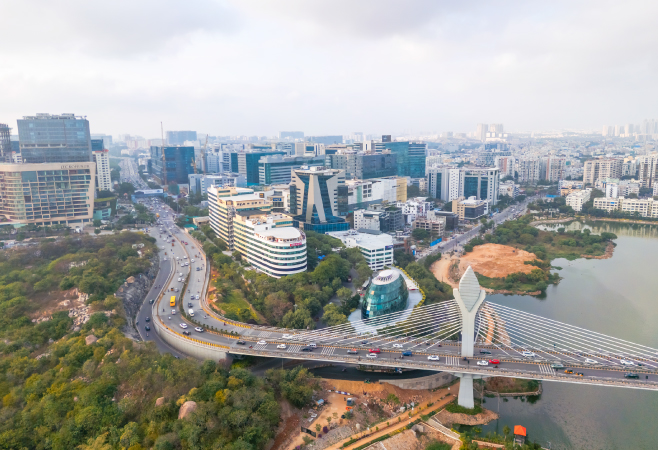
Train travel is generally safe, but requires basic precautions
Road Safety
The safety issue in India is road traffic accidents. Road accidents in the country are among the highest in the world, and the driving conditions in the country might not be as similar as those to which the foreign visitor would be used.
Risks include:
- Traffic jams are especially prevalent in large towns such as Mumbai and Delhi.
- Inconsistent enforcement of traffic laws.
- Unfavourable road conditions in the countryside or remoteness.
- Aggressive driving behavior, such as honking and abrupt lane shifts.
It is not advisable that first-time visitors drive by themselves, particularly those who are new to the area and are not conversant with the traffic and the laws of left-side driving.
Safer options include:
- Hiring licensed drivers through hotels or well-known agencies.
- The application of popular ride-hailing platforms that work in large cities.
- Hiring a legitimate taxi service and not the street taxis.
Such options help eliminate stress and enhance overall safety.
Train and Public Transport
The Indian rail network is vast and is used by the majority of the locals and tourists. It links big cities and the far-flung areas effectively, and as a result, it has been a favorite mode of transportation.
Safety tips:
- Use locks or chains on luggage when travelling.
- Choose higher-class compartments.
- Do not overcrowd general compartments, especially when it is at the peak of the travel season.
- Purchase tickets online using the official railway sites or agents.
Most cities have public buses, though they might be full. Tourists are supposed to be vigilant at crowded transportation centers.
Domestic flights are usually frequent and relatively safe, providing a quick and dependable means of linking key destinations in India.
Special Permits for Restricted Areas
In some areas, extra travel permits are needed, among them:
- Parts of Arunachal Pradesh
- Some states in the northeast.
- Secured border localities along international borders.
Any traveler intending to go to remote areas must obtain permit information beforehand in case he or she is denied entry or has to wait before being allowed entry.
Seasonal Weather Patterns and Travel Safety Planning
India is a country with a wide geographical location and a diversified climate that puts some parts of the country at risk of natural disasters at all times of the year. Although the vast majority of travelers visit the countries without any severe inconvenience, being aware of the seasonal and regional risks is one of the aspects of responsible trip planning. Visitors can also check the latest travel advisory before traveling to India to be aware of weather-related warnings and safety warnings in the region.
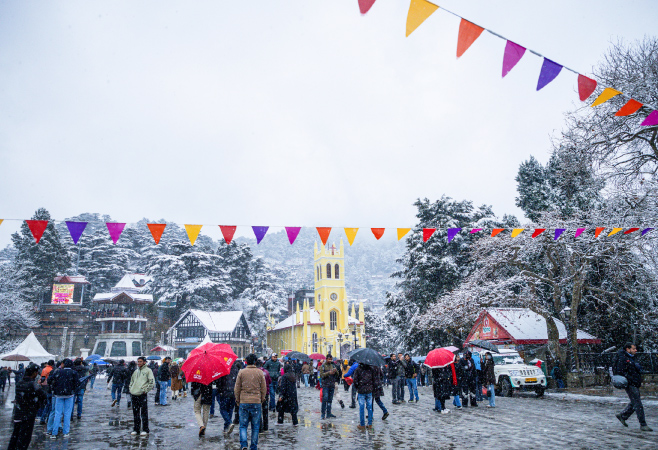
You can travel to India any time. However, you need to be very careful when visiting a hilly place like Kashmir during winter or the rainy season
Monsoon Flooding
The monsoon season in India is characterized by heavy rains during the period between June and September. Massive rainfall may cause:
- Urban floods and rural floods.
- Mountainous landslides.
- Delay in transportation and travel constraints.
In cities that have poor drainage systems, there will be temporary waterlogging, and this will impact the roads and the transport system. Himachal Pradesh and Uttarakhand are the mountain states that are especially prone to landslides during heavy rainfalls. It is also recommended that travelers should be wary of the weather conditions and avoid monsoon seasons in hilly or flooding regions. Inconvenience can be reduced by the use of flexible itineraries.
Earthquakes
The Himalayan tectonic area means that Northern India lies in a seismically active zone. Though the major earthquakes are not very common, the tremors may take place without prior notice. The states in northern and northeastern India are generally more vulnerable. Basic earthquake safety measures, like locating safe sheltering areas inside the premises and complying with the orders of local officials in case of an earthquake, should be familiarized with the travelers.
Cyclones
Cyclones also occur along the coastal areas of the Bay of Bengal and Arabian Sea, especially during April -June and October-December. Such storms may cause intense rainfall, powerful winds, and damage to infrastructure. Depending on the path of the storm, the eastern coastal states and some of the western Indian states can be affected. It is important to track the best weather forecasts and monitor the latest travel advisories for India before and during travel.
Emergency Contacts in India
Important emergency numbers:
- Police: 100
- Ambulance: 102 or 108
- Fire: 101
Travelers should also keep the following contact details readily accessible:
- Their embassy or consulate
- Travel insurance emergency hotline
- Local tour operator
Registering with your embassy (if available) may assist in emergencies.
Practical Safety Tips for Traveling in India
To reduce risks when planning a trip to India, practical preparation can make a significant difference. Basic measures not only improve safety but also bring comfort during your travels.
Carry a copy of your passport, visa, travel insurance, and other essential documents, both electronic and hard copies. Backups might help in accelerating replacement processes and embassy support in case of loss or theft.
Share your travel itinerary, hotels, and contact number with family or close friends. Regular communication provides an added layer of security, especially when moving across cities or traveling to places that are far.
Cash withdrawals should be made at secure ATMs located inside banks, hotels, or shopping centers, as opposed to isolated machines on the streets. This will minimize card fraud or theft.
Purchasing a local SIM card ensures reliable communication, convenient map availability, ride-hailing, and emergency contacts.
Select reputable hotels that have good security. Lastly, remain flexible and patient, because sometimes, due to infrastructure variation and traffic congestion, there can be delays you are not expecting.
Conclusion
India is one of the world’s most fascinating destinations, offering a unique blend of culture, history, spirituality, and natural beauty. While millions visit safely each year, checking the latest travel advisory and preparing for local conditions, health precautions, and entry requirements will help ensure a smooth and enjoyable trip.
To travel with confidence, it’s important to arrange your visa in advance. Most travelers can easily apply online through trusted platforms like India Immigration Services, making the process fast, simple, and hassle-free.
Apply for your Indian e-Visa today through our platform for a secure and convenient travel experience!
Check Out What’s In India