Pongal Festival in India: Traditions, Food, and Cultural Significance
Updated: April 16, 2026
India is a land of festivals, and with each season, there is a colorful festival based on culture, religion, and the lives of the people. Pongal is one of the most important harvest festivals in the country, and is celebrated for four days mainly in the southern state of Tamil Nadu. Associated with colorful ceremonies, traditional cuisine, and deep symbolism connected with agriculture, Pongal is a celebration of gratitude toward nature, the Sun God, and farmers. Not simply a festival, Pongal is the spirit of rural India, and its long-term relationship with the land.
In this guide, we’ll explore the history, traditions, and cultural significance of Pongal.
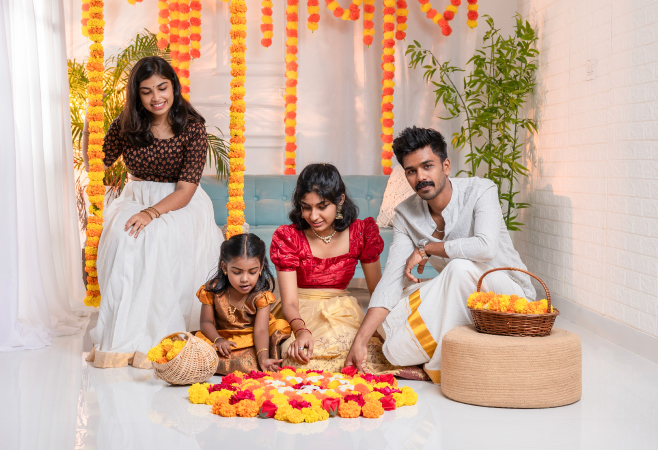
Pongal is a harvest festival celebrated by the Tamil community
About Pongal Festival in India: History, Traditions, and Meaning
What is the Pongal Festival in India?
Pongal is a four-day harvest festival mainly celebrated in Tamil Nadu. It is an annual event that takes place in mid-January, usually between January 14 and January 17, marking the beginning of the Tamil month of Thai. Pongal is a festival dedicated to the Sun God (Surya), nature, cows, and praying for a bountiful harvest.
Pongal is a Tamil term, which means boil over, and the term is also used to refer to the dish prepared during the festival. New rice is boiled in a clay pot using milk and jaggery, and as long as it spills, it is a good omen of good fortune and a good harvest ahead.
Pongal is rooted in the Tamil rural culture of agriculture. It is a form of reward for fertile land, favourable weather patterns, and the hard-working nature of farmers. The festival is divided into four days: Bhogi Pongal (cleaning of the house and renewal), Surya Pongal (worship of the Sun God), Mattu Pongal (respect to cattle), Kaanum Pongal (family get-togethers and social activities).
Pongal is a component of Indian culture not only as a religious phenomenon but also as a symbol of cultural pride, community bonding, and a feast of prosperity and new beginnings in India.
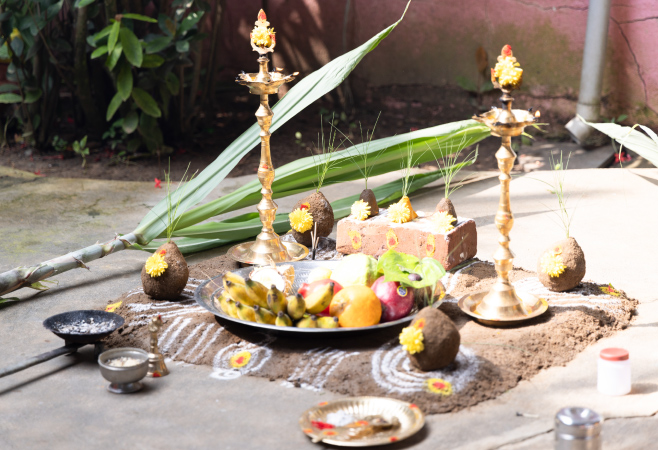
Pongal is a major Hindu festival that is usually falls around January 14
Pongal festival date and time in 2026
The Pongal festival in India will be held between January 13 and January 16, 2026, in the state of Tamil Nadu.
The Pongal days of 2026 are expected to be followed as follows:
- Bhogi Pongal – January 13, 2026 (Tuesday)
- Surya Pongal – January 14, 2026 (Wednesday) Main Festival Day
- Mattu Pongal – January 15, 2026 (Thursday)
- Kaanum Pongal – January 16, 2026 (Friday)
The main day of the festival is Surya Pongal, which falls on January 14, 2026, when the Sun enters Capricorn (Makara) and coincides with the solar calendar. This is a feast day in which the Sun God is praised and expresses gratitude for a plentiful harvest.
The customary ceremonies like the preparation of Pongal are normally performed in the morning after sunrise, as this time is considered highly auspicious.
Since Pongal is calculated based on the solar year, it falls on or around January 14 annually, though there are minor variations.
Historical Origins of the Pongal Festival in India
The Pongal festival in India has a history dating back 1,000 years to Tamil farming communities in South India. Pongal is deeply rooted in the agricultural culture of Tamil Nadu, where agriculture has been the foundation of the society. The Sangam literature (c. 200 BCE to 300 CE) indicates that celebrations of harvest like Pongal were practiced long ago and shows that the festival has been held over the ages as a form of thanksgiving to a successful crop.
In early agrarian societies, the farmers relied on seasonal rains, fertile soil, and sunlight. Pongal developed as a way to express gratitude to nature and the Sun God (Surya), who was assumed to contribute significantly to the growth of crops. Cattle were also celebrated in the festival since they were very important in the plowing of fields and carrying goods.
Pongal became, over time, linked to the Hindu religious practices, especially the celebration of the northward movement of the Sun (Uttarayan) in the solar calendar. Although modernized, Pongal has managed to retain its farming nature, which is a symbol of prosperity, renewal, and the continuous relationship of human beings with nature in Indian culture.
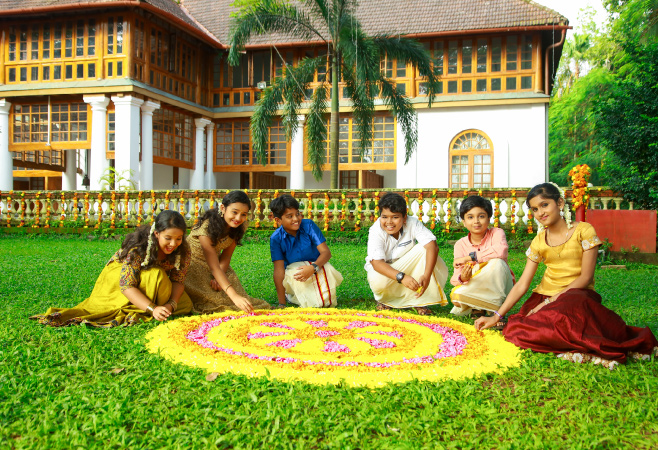
While Tamil Nadu's Pongal is iconic in its vibrancy, the spirit of harvest festivals transcends the state, weaving through the diverse tapestry of India's regions
Where is Pongal Celebrated in India?
Pongal is mainly observed within the southern region of India, particularly in the Tamil-speaking areas. Although it is identified more with Tamil Nadu, the festival is also celebrated in some of the other states and communities. The principal locations of the celebrations of Pongal in India are as follows:
- Tamil Nadu
The center of Pongal festivities is Tamil Nadu. There is much enthusiasm in the way in which the festival is celebrated in both the rural villages and the large cities like Chennai, Madurai, Coimbatore, and Thanjavur. The state practices a variety of traditional rituals, kolam decorations, visits to temples, community gatherings, etc.
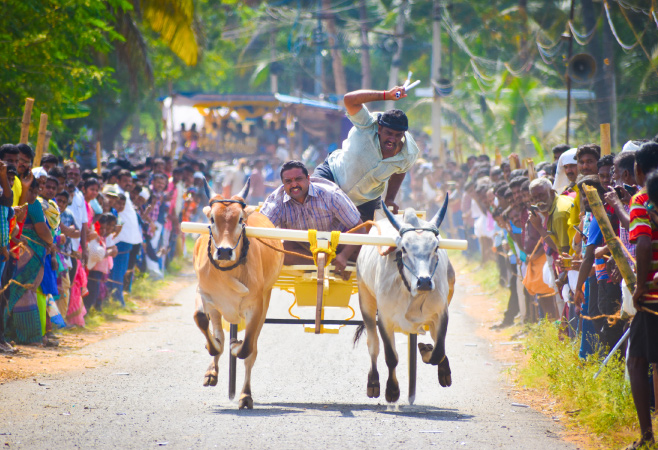
Dive into the vivid hues, rich traditions, heartwarming rituals, and delectable feasts that mark the 4-day harvest festival of Pongal in Tamil Nadu
- Karnataka
In some areas of Karnataka, especially where the Tamil communities are found, Pongal is observed together with the local harvest festivities. Certain traditions might be different, yet the message of thanking the harvest is the same. - Andhra Pradesh and Telangana
These are the same states that observe a similar harvest festival around the same time and are usually associated with Makar Sankranti. The Tamil families in such areas traditionally celebrate Pongal. - Kerala
Though Onam is Kerala’s main harvest festival, Pongal is celebrated in Tamil communities within the state.
How to Celebrate Pongal in India: The Four Days of the Festival
Pongal is a harvest festival that is celebrated mostly in Tamil Nadu and lasts for four days. Each day has its own rituals, cultural meaning, and traditional values based on agricultural activities and religious beliefs.
1. Bhogi Pongal - Day of Renewal
The first day of Pongal is called Bhogi Pongal. Historically, this day is associated with the god of rain, Lord Indra, who was considered essential to agricultural prosperity.
Bhogi focuses on renewal and cleansing. Families sweep their homes, dispose of unwanted things, and color their doorsteps with colorful kolam patterns using rice flour. Symbolic bonfires are also held in most of the rural regions to represent the removal of negativity and the commencement of a new farming cycle. However, environmental concerns have reduced large-scale burning in certain areas today.
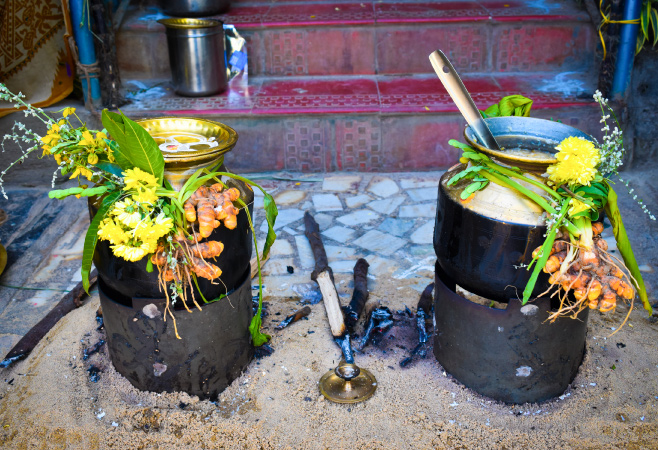
Bhogi kicks off the festival as a day of new beginnings
2. Main Festival Day Surya Pongal
Surya Pongal, the second day, is the most important day of the festival. It is devoted to the Sun God, Surya, who is believed to be the primary source of energy and agricultural growth.
Pongal food is prepared in the homes of families using freshly harvested rice on this day. The rice is then cooked with milk, and when it begins to boil, people joyfully chant Pongalo Pongal, celebrating prosperity and abundance. An offering is made to the Sun God, after which the family shares the meal.
The cooking area is decorated with sugarcane, turmeric plants, and freshly harvested crops to honor nature's blessings.
3. Mattu Pongal - Reverence of Cattle
The third day is known as Mattu Pongal, and honors cows and bulls; both animals are crucial to the conventional practice of agriculture.
The cattle are washed, wreaths are put on them, and their horns are painted in vivid colors. They are given special food to show appreciation. In some districts of Tamil Nadu, especially in rural districts like Madurai and Tiruchirapalli, the traditional bull-taming Jallikattu sport is observed. It is culturally important in those parts, though controversial.
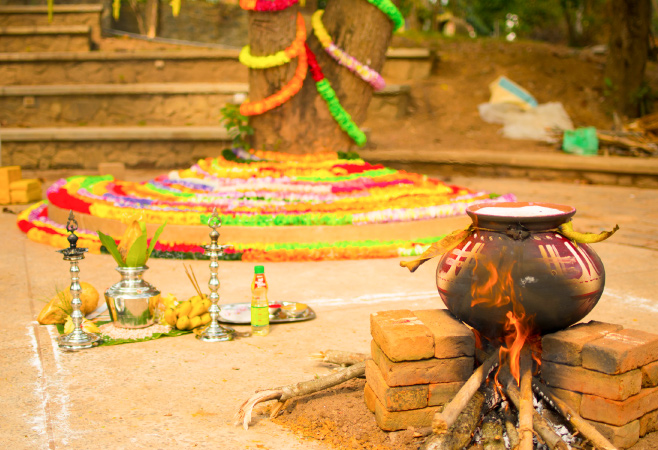
This celebration holds deep meaning as we honor these sacred animals, vital to farming
4. Kaanum Pongal – Family and Social Picnic
The last day is Kaanum Pongal, which is devoted to family unions and social gatherings. Families visit their relatives, picnic, and attend community events.
In cities, people gather in parks, beaches, and public spaces to celebrate. This day enhances the family values, social cohesion, and communal harmony.
What food is eaten during the Pongal festival in India?
In India, food is the focus of the Pongal festival, as it is closely linked to the harvest and agricultural production. The foods cooked on Pongal are made with newly harvested rice and vegetables because dishes cooked on Pongal symbolize good fortune and thanksgiving.
The following are the primary dishes that are prepared during Pongal:
1. Sweet Pongal (Sakkarai Pongal)
This is the most important festival dish. It is made with:
- Newly harvested rice
- Milk
- Jaggery (unrefined cane sugar)
- Ghee (clarified butter)
- Cardamom
- Cashews and raisins
Milk is boiled with rice until it overflows, symbolizing abundance. Sweet Pongal is initially served to the Sun God and then shared with the family.
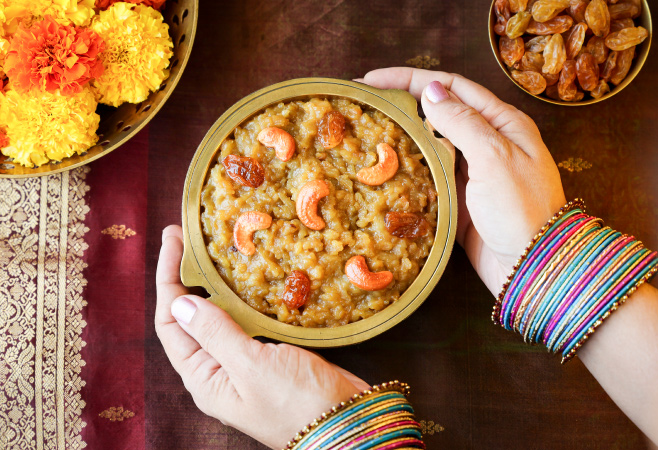
Sweet Pongal is a delicious South Indian festive dish made with rice, moong lentils, ghee, jaggery or sugar, cardamoms, and nuts
2. Ven Pongal (Savory Pongal)
A savory version made with:
- Rice
- Moong dal (split green gram)
- Black pepper
- Cumin
- Ghee
It is normally accompanied by coconut chutney and sambar.
3. Sugarcane
As a harvest celebration, fresh sugarcane sticks are commonly shared and enjoyed during Pongal.
4. Traditional South Indian Feast
Families may also prepare:
- Sambar
- Rasam
- Coconut chutney
- Vadai
- Payasam
These dishes are often served on banana leaves, especially in traditional households.
Top 7 Things to Do During the Pongal Festival in India
The Pongal festival in India is a lively four-day harvest festival that is filled with rituals, food, music, and community feasts. If you are visiting Tamil Nadu or if this is the first time that you are experiencing Pongal, then these are the 7 top things that you must do in order to be fully absorbed in the festival.
1. Cook Traditional Pongal Outdoors
A popular Pongal custom is to prepare the special Pongal food in a clay pot, cooked either outside in the sun. The rice is boiled in milk until it spills over, a sign of good fortune and abundance. When the pot is boiling, families joyfully chant “Pongalo Pongal” in celebration. Taking part in this ritual highlights the festival’s strong connection to its agricultural origins.
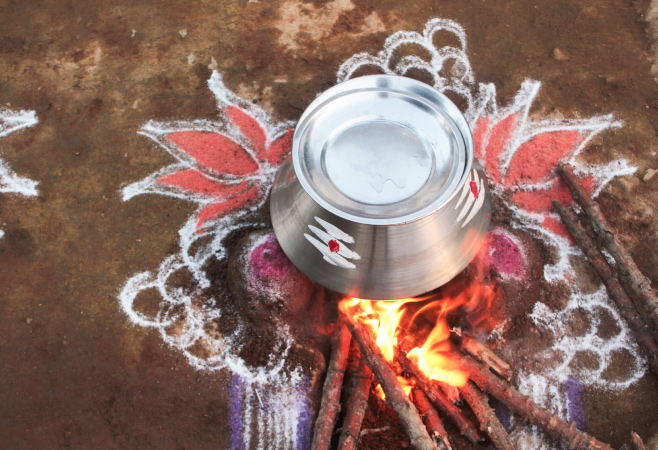
People cook sweet Pongal with freshly harvested rice and milk
2. Create Colorful Kolam Designs
Kolam is a traditional decorative art created at the entrance of homes using rice flour. During Pongal, families create elaborate and colorful kolam designs to receive prosperity and good fortune. Trying kolam drawing is both a creative activity and a meaningful way to learn about Tamil culture.
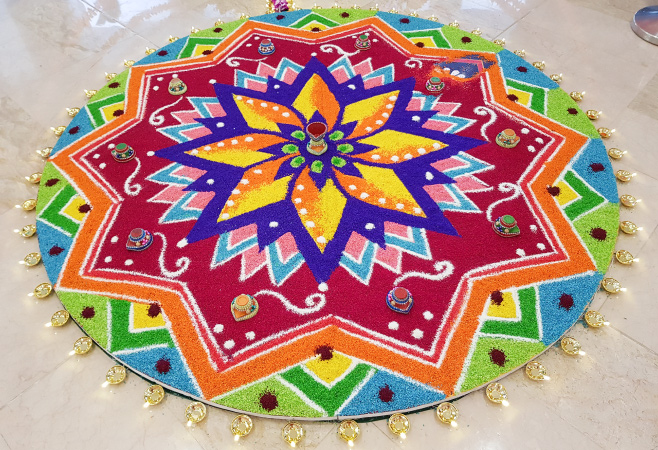
These pongal pulli kolam designs are easy to create and add a meaningful connection to the festival's themes of gratitude and prosperity
3. Visit a Local Temple
The primary festival day is Surya Pongal, which is devoted to the Sun God. Another significant event is visiting a temple in the morning to make prayers. There are numerous temples in Tamil Nadu where special ceremonies are conducted, and a big crowd of devotees is assembled.
4. Honor and Decorate Cattle
During Mattu Pongal, people wash cows, decorate them with flowers, and give them special food to appreciate the contribution cows have in agriculture. When one looks or even takes part in this ritual, it is worth noting that there is a lot of respect given to animals in the villages.
5. Attend Jallikattu (Where Permitted)
The Jallikattu, an ancient bull-taming game, is held in some districts of Tamil Nadu. It is a centuries-old cultural spectacle that is full and firmly embedded in Tamil tradition. Tourists are supposed to visit in a responsible manner and also admire the local culture.
6. Enjoy Traditional Pongal Dishes
Pongal is more about food than tradition. People enjoy Sweet Pongal, Ven Pongal, sugarcane, vadai, and other traditional South Indian dishes. The meals are usually eaten on banana leaves, which adds to the sense of authenticity.
7. Join Family Gatherings and Community Events
Kaanum Pongal (Family bonding) is the last day. People visit family members, have picnics, cultural shows, and be part of local fairs. By attending such events, you can feel the kindness and generosity of Tamil culture.
Visiting India During the Pongal festival
January is one of the best months to visit Tamil Nadu due to its pleasant weather. Tourists can explore:
- Chennai
- Madurai
- Thanjavur
- Rameswaram
Visitors need to make reservations in advance since hotels fill up quickly during the festival.
Visitors are encouraged to:
- Dress modestly.
- Respect local customs.
- Participate in cultural activities with sensitivity.
Conclusion
The Indian Pongal Festival is not just a harvest festival. It is a meaningful celebration of gratitude, renewal, and community spirit. Rooted in ancient agricultural traditions, Pongal celebrates the Sun, the earth, and the cows, as well as laborers who are able to feed society.
The festival is a perfect mix of spirituality, culture, and family values through its four meaningful days: Bhogi, Surya Pongal, Mattu Pongal, and Kaanum Pongal.
Pongal embodies the spirit of Tamil tradition and the eternal nature-man relationship, in a small village or in a big city. To both visitors and locals, Pongal is an abundant celebration, a unity celebration, and a hopeful beginning for the new year.
If you are a foreign tourist planning to experience the Pongal festival in India, then you should ensure you apply for your Indian visa online first. The majority of qualified tourists are able to apply for an e-Tourist Visa of India on the official e-Visa portal. The application process is simple, and it normally takes some working days to be approved. Early application will mean that you will not be caught in last-minute traffic jams, and you can enjoy the festival to the fullest without being inconvenienced by travelling.
Check Out What’s In India