What Is Lohri Festival? Date, Meaning, Traditions & How It's Celebrated
Updated: July 21, 2026
If you're visiting India in January, you may have the chance to experience Lohri Festival in India, one of North India's most vibrant winter festivals. Marking the end of the coldest part of winter and the beginning of the harvest season, Lohri is especially popular in the northern state of Punjab and neighboring regions.
For travelers, Lohri offers more than just a cultural event—it is an opportunity to experience traditional folk music, energetic Bhangra and Gidda performances, bonfires, local cuisine, and warm community gatherings. Knowing when and where the festival takes place can help you plan a memorable trip to northern India.
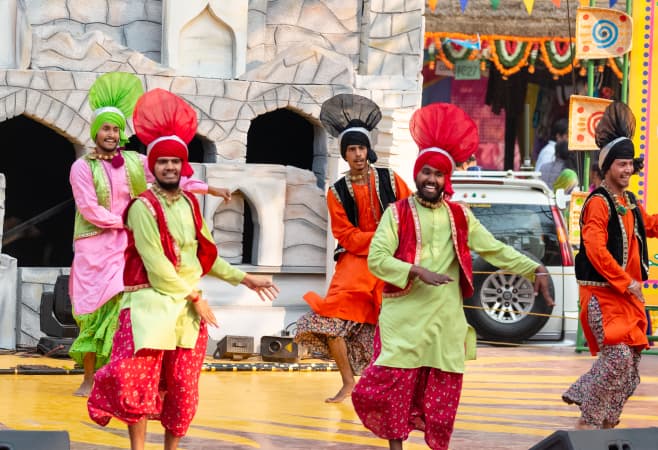 Communities celebrate Lohri with music, dancing, and prayers around the ceremonial bonfire
What is Lohri Actually?
Lohri is a winter harvest festival, mainly rooted in Punjab, that marks the end of the coldest part of winter and celebrates the harvest season, particularly sugarcane and other winter crops. At its core is a bonfire, lit at sunset, around which families and entire neighborhoods gather.
Lohri is celebrated mainly by Punjabi Hindus and Sikhs, while many Christian and Muslim Punjabi communities also take part as a cultural celebration. While it continues to hold religious and traditional significance for many families, today it is widely recognized as a shared cultural festival across northern India. Lohri is officially observed as a public holiday in Punjab and is widely recognized across several northern states, including parts of Himachal Pradesh and Jammu.
Why Is Lohri Celebrated?
Lohri has both agricultural and cultural importance.
Traditionally, it celebrates:
- The arrival of the harvest season
- Longer daylight hours after winter
- Gratitude for a successful crop
- Prosperity and good fortune
Many families also celebrate Lohri as a special occasion following:
- A newborn child's first Lohri
- A newly married couple's first Lohri
These celebrations often include larger family gatherings and festive meals.
When is Lohri celebrated?
Lohri 2026 falls on Tuesday, January 13, the evening before Makar Sankranti. Unlike Diwali or Holi, which shift every year on the lunar calendar, Lohri is tied to the solar calendar and lands on or around January 13 nearly every year — so you can plan around it with more certainty than most Hindu festivals.
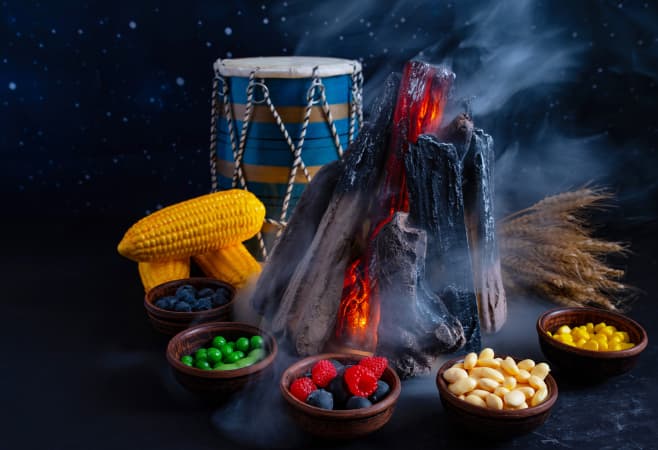 A blazing Lohri bonfire symbolizes warmth, prosperity, and gratitude for a successful harvest
How Is Lohri Celebrated?
The structure of a Lohri evening is fairly consistent wherever you experience it:
The bonfire. As the sun sets, a large fire is lit in a courtyard, park, or open community space. People circle it, sometimes several times, as a mark of respect.
Offerings to the fire. Sesame seeds, jaggery, peanuts, popcorn, and rewari (a sesame-jaggery candy) are tossed into the flames while people call out "Aadar aye dilather jaye" — roughly, "may honor come and poverty leave."
Music and dance. Dhol drums, bhangra, and gidda dancing are the centerpiece of the night. This isn't a quiet, seated affair — expect loud music and people pulling bystanders into the circle to dance.
Food. Expect sarson da saag with makki di roti, til (sesame) laddoos, gajak, and roasted peanuts passed around freely. Street stalls near celebration areas sell most of this, too.
House-to-house singing. In smaller towns and Punjab specifically, children go door to door singing traditional Lohri songs — the most famous being "Sundar Mundriye" — in exchange for sweets or small amounts of money, a custom tied to the folk hero Dulla Bhatti, celebrated for rescuing girls from forced trafficking during the Mughal era.
Special significance for newlyweds and newborns. A couple's first Lohri after marriage, or a family's first Lohri after a baby is born, is treated as a bigger occasion — with extra gifts, new clothes, and a more elaborate gathering.
What Should Tourists Expect During Lohri?
Lohri is primarily a family-oriented celebration, but visitors are often welcomed at community events and hotel-organized festivals.
During the festival, you can expect:
- Live Punjabi music
- Traditional dance performances
- Decorative bonfires
- Street food and local sweets
- Crowded markets
- Cooler winter evenings, especially in northern India
Many hotels and cultural organizations also host special Lohri dinners and performances for tourists.
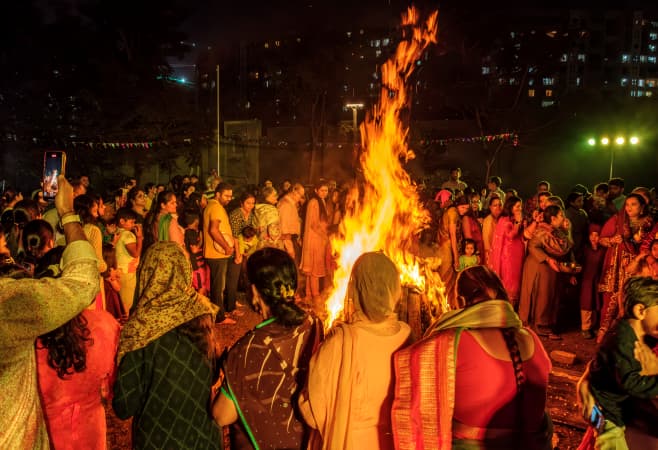 The Lohri festival brings families and communities together to celebrate gratitude, abundance, and the spirit of togetherness
Where Visitors Can Experience It
Although Lohri is recognized across India, it is most popular in northern states:
1. Amritsar, Punjab
While the Golden Temple itself remains a major attraction, most Lohri celebrations take place in neighborhoods, villages, hotels, and community spaces across Amritsar.
Travel tip: Amritsar is well-connected by air, rail, and road. Book at least two weeks in advance.
2. Ludhiana, Punjab
This vibrant city hosts large community bonfires in open grounds and residential colonies, with cultural events and delicious Punjabi food.
3. Patiala, Punjab
Experience Lohri with a royal touch. Patiala's heritage havelis and palaces provide a stunning backdrop for traditional celebrations.
4. Delhi
The capital celebrates Lohri with a cosmopolitan twist. Punjabi neighborhoods host rooftop parties and community bonfires with live dhol performances.
5. Rural Villages of Punjab
For the most authentic experience, head to rural villages across Punjab. Celebrate amidst open fields with live folk music and home-cooked food.
6. Shimla and Manali, Himachal Pradesh
For a scenic winter experience, celebrate Lohri against the backdrop of snow-capped mountains. The celebrations are simpler but equally warm and heartfelt.
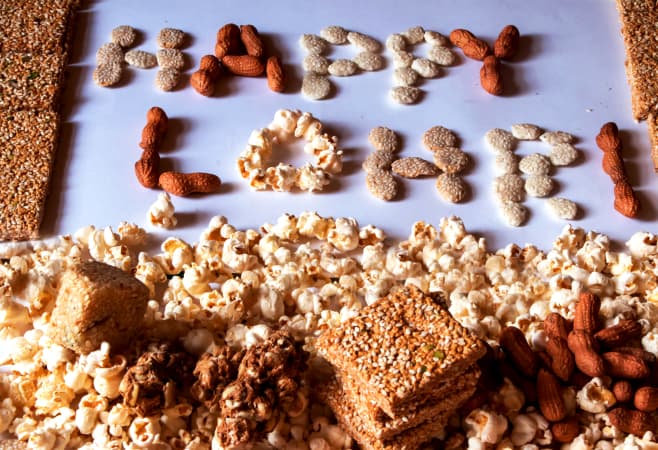 Traditional Lohri treats, including sesame seeds, jaggery, popcorn, peanuts, and revri, are shared with family and friends
Practical Tips for Travelers
Many community Lohri celebrations are open to visitors, although private family gatherings are invitation-only. Lohri gatherings in public parks and community spaces are open by nature — locals genuinely welcome outsiders joining in, especially if you make an effort to try the dancing or offer something to the fire.
Dress warmly, and don't wear anything you're precious about. Mid-January nights in North India get cold, and you'll likely end up standing close to smoke and sparks.
It's loud. Dhol drums and firecrackers are common, sometimes well into the night. If you're staying near a residential area, expect noise.
Small vendors often accept cash, and many also support UPI mobile payments. Carrying some cash is still useful in smaller towns.
Combine it with Makar Sankranti the next day. Since Lohri falls the evening before Makar Sankranti, you get two connected festivals back to back — Makar Sankranti brings kite-flying (especially spectacular in Gujarat, though North India has its own smaller version) and river bathing rituals.
Hotel prices rise, but not like during Diwali. Lohri draws domestic travelers and diaspora visitors home for the season, so book Punjab accommodation a few weeks ahead if you can, though it's far less chaotic than trying to book around Diwali.
Frequently Asked Questions About Lohri Festival
Where is Lohri celebrated the most?
Lohri is most widely celebrated in Punjab, as well as Haryana, Chandigarh, Delhi, and parts of Jammu.
When is the best time to visit India for Lohri?
Plan to arrive in northern India by early January, as Lohri is typically celebrated on 13 January each year.
Can tourists participate in Lohri celebrations?
Yes. Many public events, hotels, and cultural organizations welcome visitors. Visitors can experience traditional music, dance performances, bonfires, and local cuisine.
What should I wear during Lohri?
January is winter in northern India, so bring a warm jacket, comfortable shoes, and layered clothing, particularly for outdoor evening celebrations.
Is Lohri only celebrated in Punjab?
No, it is most strongly associated with Punjab, but it is also celebrated in Haryana, Delhi, and other northern regions.
What is the main ritual of Lohri?
The central ritual is lighting a bonfire and offering sesame seeds, jaggery, popcorn, and other foods into the fire.
Is Lohri good for tourists?
Yes, Lohri is a great festival for visitors who want to experience North Indian culture, food, and folk traditions.
Can tourists join Lohri celebrations?
Yes. Public bonfires in parks and community areas are open to everyone, and locals typically welcome visitors who want to join the dancing or the fire ritual.
Is Lohri the same as Makar Sankranti?
No, though they're connected. Lohri falls on the evening before Makar Sankranti and is specific to Punjab and neighboring regions, while Makar Sankranti is celebrated across India under different regional names, including Pongal in Tamil Nadu and Bihu in Assam.
Final Thoughts
Experiencing the Lohri Festival in India is a wonderful way to discover the warmth, hospitality, and traditions of Punjab. From gathering around glowing bonfires and watching energetic Bhangra performances to tasting seasonal treats like gajak and rewari, the festival offers an authentic glimpse into rural and urban Punjabi culture.
If your trip to India falls in January, adding Lohri to your itinerary is an excellent way to experience one of the country's most joyful harvest celebrations while exploring the rich heritage of northern India.
Check Out What’s In India