Top Hindu Holidays & Festivals: Dates, Traditions & Cultural Significance
Updated: July 21, 2026
India's Hindu festivals are among the world's most colorful and spiritually significant celebrations. From Diwali's dazzling lights to Holi's vibrant colors and Navratri's traditional dances, these festivals offer travelers an unforgettable opportunity to experience India's culture, faith, and local traditions. This guide explains the most important Hindu holidays, their significance, when they take place, and practical travel tips for planning your visit.
Why Should Travelers Know About Hindu Holidays in India?
Hinduism is India's largest religion, practiced by about 80% of the population according to the latest available national census. As a result, Hindu festivals are celebrated across the country and often influence daily life.
During major holidays, you may notice:
- Larger crowds at famous attractions and temples
- Higher demand for flights, trains, and hotels
- Special cultural performances and local fairs
- Unique seasonal foods and decorations
- Government offices, banks, and some businesses may close or operate on reduced hours during major public holidays, depending on the state.
- Many temples organize special ceremonies and may extend visiting or worship hours during major festivals.
For many travelers, visiting during a Hindu festival is one of the highlights of a trip to India.
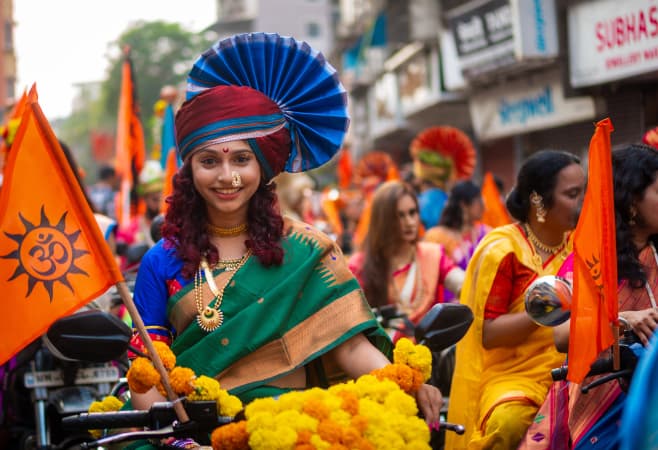 Hindu festivals bring communities together through prayers, colorful decorations, traditional food, and cultural traditions
Calendar of Major Hindu Holidays in India
Hindu festivals follow the lunar calendar, so dates shift each year. Here are the major celebrations you can plan around.
| Festival | 2026 Date | Best Places to Experience It |
Makar Sankranti | January 14 | Gujarat (kite festival), Tamil Nadu (Pongal) |
| Maha Shivaratri | February 15 | Varanasi, Ujjain, Somnath |
| Holi | March 4 (eve: March 3) | Mathura, Vrindavan, Jaipur |
| Ram Navami | March 26 | Ayodhya |
| Baisakhi / Vishu | April 14 | Punjab, Kerala |
| Akshaya Tritiya | April 21 | Temples nationwide |
| Janmashtami | August 25 | Mathura, Vrindavan, Dwarka |
Ganesh Chaturthi | September 14 | Mumbai, Pune |
Navratri | October 11-19 | Gujarat (Garba), Kolkata (as Durga Puja) |
Dussehra | October 19–20 | Mysore, Kullu |
| Dhanteras | November 6 | Nationwide |
| Diwali | November 8 | Varanasi, Jaipur, Amritsar |
Bhai Dooj | November 10 | Nationwide |
| Chhath Puja | November 18 | Bihar, Varanasi |
Dev Diwali | November 24 | Varanasi ghats |
A note on dates: Hindu festivals follow a lunisolar calendar, so they shift each year on the Gregorian calendar. If you're reading this after 2026, search for the specific year — don't assume the dates above will repeat.
Most Important Hindu Holidays in India
India's Hindu festivals offer visitors an unforgettable glimpse into the country's spiritual heart. For travelers, these celebrations transform ordinary sightseeing into immersive cultural experiences.
1. Diwali (Festival of Lights)
Usually celebrated: October or November
Diwali is India's most famous Hindu festival and symbolizes the victory of light over darkness and good over evil.
During Diwali, visitors can experience:
- Streets decorated with lights and lanterns
- Some cities impose restrictions on fireworks because of air-quality concerns, although celebrations continue with lamps, decorations, and cultural events.
- Oil lamps (diyas) outside homes and temples
- Traditional sweets and festive meals
- Cultural performances and shopping festivals
Best places to celebrate
- Jaipur
- Varanasi
- Delhi
- Ayodhya
- Udaipur
Travel tip: Book flights and hotels several months in advance, as Diwali is one of India's busiest travel periods.
2. Holi (Festival of Colors)
Usually celebrated: March
Holi marks the arrival of spring and is known worldwide for its joyful color celebrations.
Expect:
- Colored powder throwing colored powders (gulal) and water
- Music and dancing
- Water fights
- Community celebrations
- Traditional sweets such as gujiya
Best places to celebrate
- Mathura
- Vrindavan
- Jaipur
- Delhi
- Udaipur
Travel tip: Wear old clothes and protect your phone and camera from colored powder and water.
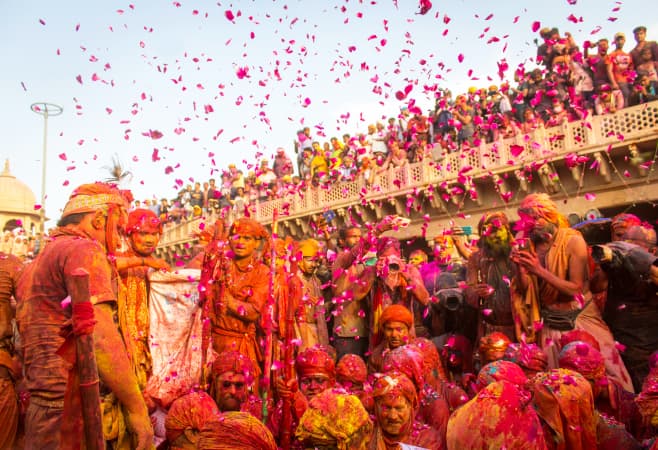 Devotees gather during Holi to throw vibrant colors and enjoy festive music and dance
3. Navratri
Usually celebrated: September or October
Navratri is a nine-night festival dedicated to Goddess Durga.
Different regions celebrate in different ways:
- Gujarat hosts lively Garba and Dandiya dance events.
- West Bengal celebrates Durga Puja with elaborate artistic displays.
- Northern India features devotional music and temple ceremonies.
Best places to experience Navratri
- Ahmedabad
- Kolkata
- Vadodara
- Delhi
4. Dussehra (Vijayadashami)
Usually celebrated: September or October
Dussehra celebrates the victory of Lord Rama over Ravana and symbolizes the triumph of good over evil.
Visitors can enjoy:
- Burning of giant Ravana effigies
- Cultural performances
- Religious processions
- Traditional fairs
Popular destinations
- Mysuru
- Delhi
- Varanasi
- Kota
Mysuru's royal celebrations are among the most spectacular in India.
5. Maha Shivaratri
Usually celebrated: February or March
Dedicated to Lord Shiva, Maha Shivaratri is one of India's most important spiritual festivals.
Highlights include:
- Night-long temple prayers
- Chanting and meditation
- Pilgrimages
- Religious processions
Best places to visit
- Varanasi
- Ujjain
- Haridwar
- Rishikesh
6. Janmashtami
Usually celebrated: August or September
Janmashtami celebrates the birth of Lord Krishna.
Popular traditions include:
- Temple decorations
- Midnight prayers
- Cultural dramas
- Dahi Handi competitions
Best destinations
- Mathura
- Vrindavan
- Mumbai
- Dwarka
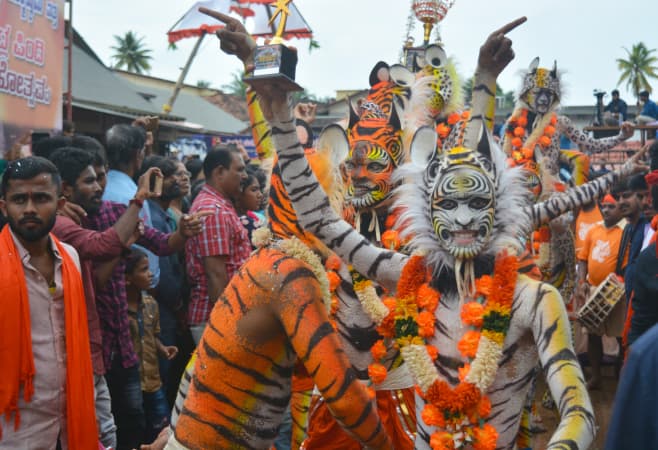 Janmashtami celebrations include devotional songs, dances, and midnight prayers
7. Ram Navami
Usually celebrated: March or April
Ram Navami commemorates the birth of Lord Rama.
Visitors can witness:
- Temple ceremonies
- Religious processions
- Community prayers
- Traditional music
Best places
- Ayodhya
- Varanasi
- Bhadrachalam
8. Ganesh Chaturthi
Usually celebrated: August or September
This festival honors Lord Ganesha, the remover of obstacles.
Expect:
- Giant Ganesha idols
- Street processions
- Cultural events
- Idol immersion ceremonies
Best places
- Mumbai
- Pune
- Hyderabad
Mumbai hosts some of the country's largest celebrations.
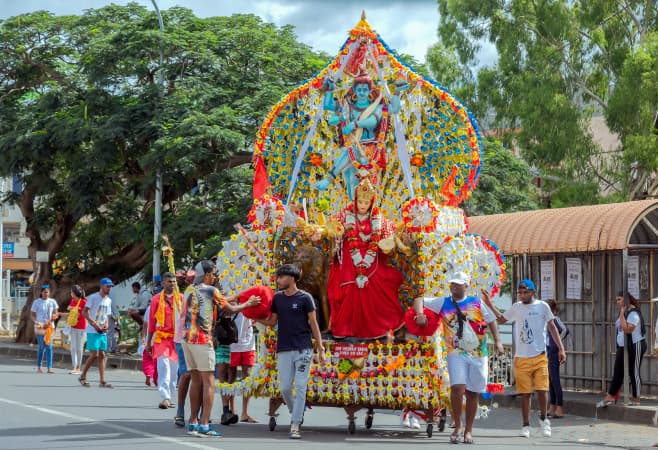 Pilgrims perform prayers and rituals during Maha Shivaratri at temples across India
9. Raksha Bandhan
Usually celebrated: August
Raksha Bandhan celebrates the bond between brothers and sisters.
Although primarily a family holiday, visitors may notice:
- Colorful markets
- Traditional sweets
- Decorative rakhis (bracelets)
- Family gatherings
10. Makar Sankranti
Usually celebrated: January
This harvest festival marks the sun's transition into Capricorn.
Celebrations vary by region and may include:
- Kite flying festivals
- Traditional foods
- Temple visits
- River bathing ceremonies
Best places
- Ahmedabad
- Jaipur
- Prayagraj
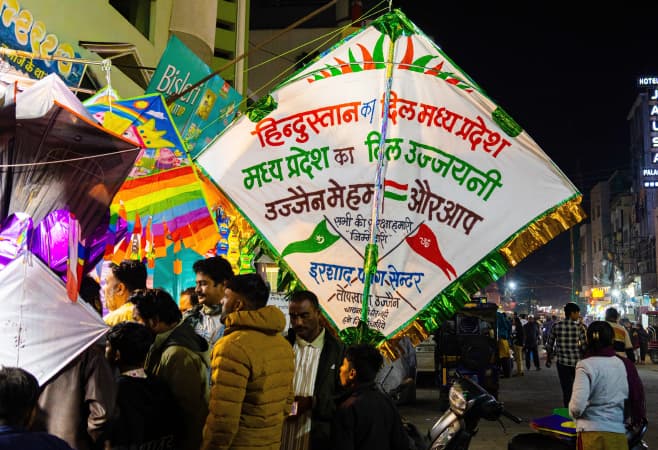 Makar Sankranti celebrates the harvest season with kite flying, traditional foods, and community gatherings
Best Hindu Holidays for First-Time Visitors
If you're visiting India for the first time, these festivals offer some of the country's most memorable cultural experiences:
| Festival | Why Visit? |
| Diwali | Stunning lights, festive atmosphere, shopping |
| Holi | Colorful celebrations and cultural fun |
| Navratri | Traditional dances and religious ceremonies |
| Ganesh Chaturthi | Spectacular public processions |
| Dussehra | Dramatic cultural performances |
Practical Tips for Visiting During Hindu Holidays
Book well ahead. Diwali and Holi in particular cause hotel prices to spike and trains to sell out. If your trip lands on either, book flights, trains, and accommodation at least a month or two in advance.
Expect closures. Banks, government offices, and many shops close on major holidays like Diwali, Holi, and Dussehra. ATMs can run low on cash during multi-day festivals. Withdraw or exchange money before the holiday hits.
Dress and behavior at temples. Modest clothing (shoulders and knees covered) is expected at most temples, and some — including several Jagannath and Krishna temples — don't allow non-Hindus inside at all. It's worth checking a specific temple's rules before visiting during a festival, when access can get even more restricted.
Fireworks and noise. Diwali nights are loud, sometimes past 1 or 2 a.m., across most Indian cities. If you're sensitive to noise or traveling with young kids, ask your hotel about quieter neighborhoods.
Some festivals are safer to watch than to join. Holi crowds can get physically boisterous, and Ganesh Chaturthi immersion processions involve dense crowds and heavy traffic. Watching from a rooftop or organized viewing spot is a reasonable alternative to being in the thick of it, especially on a first visit.
Frequently Asked Questions About Hindu Holidays and Festivals
Are Hindu holidays public holidays in India?
Some Hindu festivals, such as Diwali, Holi, Dussehra, and Janmashtami, are recognized as public holidays in many parts of India. However, holiday observance can vary by state, so it's a good idea to check local schedules before traveling.
What is the biggest Hindu holiday in India?
Diwali, also known as the Festival of Lights, is widely considered the biggest and most celebrated Hindu festival across India.
Is it a good idea to visit India during Hindu festivals?
Yes. Hindu holidays offer an excellent opportunity to experience India's culture, traditions, and local communities. However, popular destinations can become crowded, and travel costs may increase during major festivals.
Are tourist attractions open during Hindu holidays?
Most major tourist attractions remain open, although government offices, banks, and some museums may close on certain public holidays. Temples and festival venues are often at their busiest during these times.
Do Hindu holiday dates change every year?
Yes. Most Hindu festivals are based on the Hindu lunar calendar, so their dates vary each year according to the Gregorian calendar.
Which Hindu holiday is best for tourists?
Holi and Diwali are usually the most popular for visitors because they are visually impressive and widely celebrated.
Are Hindu holidays good for travel in India?
Yes, but they require planning because transport, hotels, and attractions can become crowded or operate on reduced schedules.
Is it a good idea to visit India during Diwali?
Yes, if you plan ahead. Diwali offers an unforgettable atmosphere, but it also means higher prices and heavier crowds on flights, trains, and in hotels. Book early and expect fireworks noise at night.
Which Hindu festival is best for a first-time visitor to experience?
Holi and Diwali are the most visually spectacular and tourist-friendly. Durga Puja in Kolkata is also an excellent choice if you want something less crowded with foreign tourists but equally impressive.
Are non-Hindus allowed to join festival celebrations like Holi?
Generally, yes — Holi, especially, is open and welcoming to visitors of all backgrounds. Some temple rituals, particularly during Janmashtami or at certain Krishna and Jagannath temples, may be restricted to Hindus only, so it's worth checking locally.
Final Thoughts
Experiencing Hindu holidays in India is one of the best ways to discover the country's rich cultural and spiritual heritage. Whether you're watching fireworks during Diwali, joining the colorful celebrations of Holi, or witnessing the grand processions of Ganesh Chaturthi, each festival offers a unique glimpse into Indian traditions. By planning your itinerary around these celebrations and preparing for larger crowds and holiday schedules, you can enjoy a more authentic and memorable journey through India.
Check Out What’s In India