India Travel Update 2026: What International Travellers Should Know Before Flying
Updated: July 09, 2026
If you're planning to visit India in July, August, or September 2026, several important travel updates have taken effect that may affect your arrival experience.
Since late June 2026, India has introduced a new digital arrival process, strengthened airport health surveillance, and continued to adapt international flight operations in response to regional airspace conditions. Understanding these updates before departure can help you avoid unnecessary delays and enjoy a smoother journey.
Here's what international travellers should know before flying to India.
Health Declaration Requirement: Air Suvidha 2.0 (Ebola Surveillance)
India launched Air Suvidha 2.0 on 25 June 2026 as an upgraded contactless Passenger Health Self-Declaration Portal. The portal was introduced by the Ministry of Civil Aviation and Delhi International Airport Limited to strengthen public health surveillance at India’s Points of Entry in response to the ongoing Ebola disease outbreak.
What Changed: Air Suvidha 2.0 Has Been Introduced
Air Suvidha 2.0 allows international arriving passengers to submit health information online before immigration clearance. The updated portal supports a more contactless and paperless arrival process.
According to the official release, the Health Self-Declaration may include:
- 21-day travel history
- Exposure history
- Health symptoms, if any
- Passenger and flight details
- Information used by airport health and surveillance authorities
The system also supports real-time coordination among airport health officers, the Bureau of Immigration, IDSP and state surveillance officers to help identify at-risk travellers early.
Who Is Requested to Complete Air Suvidha 2.0?
Under the current implementation, all international travellers are requested to complete the Self-Declaration accurately and in advance. The form can be completed up to 24 hours before arrival in India.
Passengers are advised to complete the form before boarding or during web check-in for smoother clearance on arrival. Travellers may be required to show the downloaded Self-Declaration Form at the International Travel Health Desk or immigration counter.
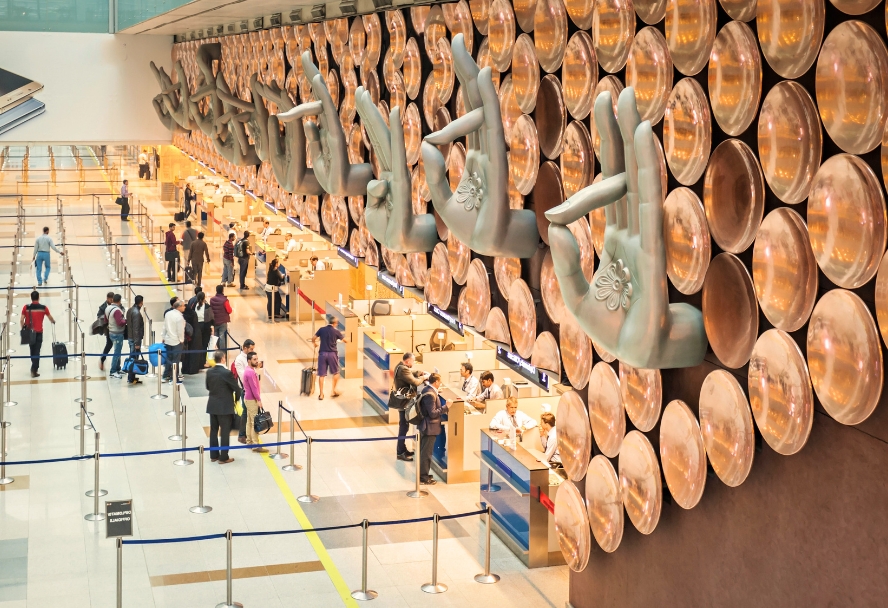
All travelers are required to submit the Air Suvidha Declaration Form before arriving in India
What Happens If the Form Is Incorrect?
Travellers should avoid submitting incomplete or inaccurate health information. Incorrect or missing details may lead to:
- Additional questions on arrival
- Longer health screening
- Manual verification by airport health officials
- Further assessment if travel history or symptoms require review
Air Suvidha 2.0 is not a visa and does not grant entry permission. It is a health declaration used for public health surveillance.
Ebola-related monitoring
After the World Health Organization declared the Ebola outbreak a Public Health Emergency of International Concern (PHEIC), India introduced additional border health measures for international arrivals. Depending on a traveler's recent itinerary, authorities may review:
- Countries visited within the previous 21 days
- Possible exposure history
- Declared symptoms
- Additional health information if necessary
Travelers with recent travel to affected regions should expect closer screening upon arrival.
Continued Nipah surveillance
India may continue precautionary health surveillance at international points of entry. Although this has a limited impact on most international visitors, travellers should:
- Complete health declarations accurately
- Follow instructions from airport health officials
- Report symptoms honestly if requested
- Stay informed about official health and travel advisories before departure
For most tourists, these procedures are expected to be limited unless further screening is required.
India E-Arrival Card: Digital Arrival Information
In addition to Air Suvidha 2.0, travellers should also understand the India e-Arrival Card. This is a separate immigration arrival form, not a health declaration and not a visa.
The official Indian Visa Online portal states that foreigners and OCI cardholders can complete and submit the e-Arrival Card online within 72 hours before arrival in India. The portal also notes that the e-Arrival Card is for arrival information, not a visa.
A Digital Alternative to Paper Arrival Information
The e-Arrival Card is designed to digitize arrival information that travellers may otherwise need to provide during the arrival process.
Instead of preparing arrival details manually at the airport, travellers can submit the information online before reaching India. This may help reduce paperwork and support smoother immigration processing.
Who Can Complete the E-Arrival Card?
According to the official Indian Visa Online portal, foreigners and OCI cardholders can complete the e-Arrival Card online before arrival.
International tourists, business visitors, and other foreign passport holders should treat this as an important part of their India pre-travel checklist.
Submission Window: Within 72 Hours Before Arrival
The e-Arrival Card can be completed within 72 hours before arrival in India through:
- Indian Visa Online portal
- Bureau of Immigration website
- Official Indian Visa Su-Swagatam mobile app
Travellers should save the confirmation or QR code after submission. It is also practical to keep both a digital copy and a printed backup in case phone access or internet connection is limited at the airport.
India E-Visa: What Travellers Should Check
The India e-Visa remains an important travel authorization option for eligible foreign nationals. It is separate from both Air Suvidha 2.0 and the India e-Arrival Card.
The official India e-Visa process includes four main steps: apply online, pay the e-Visa fee online, receive the Electronic Travel Authorization by email, then print the ETA and present it at the immigration checkpoint where the e-Visa is stamped on the passport.
Quick Comparison: Air Suvidha vs E-Arrival Card vs E-Visa
The key point is simple: Air Suvidha 2.0, the India e-Arrival Card, and the India e-Visa are separate requirements.
An e-Visa allows eligible travellers to seek entry into India. The e-Arrival Card records arrival information for immigration. Air Suvidha 2.0 collects health declaration information for public health surveillance.
Checklist: What to Prepare Before Flying to India
Before travelling to India, make sure your key documents and digital forms are ready. Preparing these items in advance can help reduce delays during check-in, boarding, and arrival.
- Valid India visa or e-Visa: Check that your visa is approved, valid for your travel dates, and matches your purpose of visit.
- India e-Arrival Card: Complete the e-Arrival Card online within the required pre-arrival window, if applicable.
- Air Suvidha 2.0 form: Submit the health self-declaration accurately before arrival, especially under the current health surveillance measures.
- Saved PDF or printed copies: Keep digital and printed copies of your visa, e-Arrival Card confirmation, Air Suvidha form, passport, and flight details.
- Latest health and travel advisories: Review official updates before departure, as entry and health requirements may change.
Frequently Asked Questions
Do I need to complete Air Suvidha 2.0 before travelling to India?
Yes. Under the current implementation of Air Suvidha 2.0, all international passengers arriving in India are requested to complete the online Health Self-Declaration before arrival.
Will every traveler receive a health screening?
No. Most travellers complete the arrival process normally. Additional screening generally applies only when a traveller's recent itinerary or health declaration requires further assessment.
Are international flights to India operating normally?
Yes. International flights continue to operate, although some airlines may adjust schedules or routes due to regional airspace restrictions.
Is it safe to travel to India during the monsoon?
Yes. India continues to welcome millions of international visitors during the monsoon. Weather conditions may occasionally affect flights or local transportation, so allowing extra travel time is recommended.
Key Takeaway for Travellers
India’s 2026 travel updates show a clear shift toward digital pre-arrival procedures. For international travellers, the key is to understand that Air Suvidha 2.0, the e-Arrival Card and the India e-Visa are separate requirements.
Before flying, make sure your visa is valid, your e-Arrival Card is submitted within the required window, and your Air Suvidha health declaration is completed accurately if required for your trip. Preparing these documents in advance can help reduce delays and make your arrival in India smoother.
Travel requirements may change with new health or immigration updates. Travellers should always check the latest official guidance before departure.
Official Sources
- Press Information Bureau (PIB) – Ministry of Health & Family Welfare: AIR SUVIDHA 2.0 Launch
https://www.pib.gov.in/PressReleasePage.aspx
- World Health Organization (WHO) – Public Health Emergencies
https://www.who.int/emergencies
- Air Suvidha Instructions for International Arrivals
https://airsuvidha.civilaviation.gov.in/instructions
- PIB Press Release – AIR SUVIDHA 2.0 Features
Check Out What’s In India