Overstaying a Visa in India: Consequences, Fines, and Exit Procedures
Updated: April 16, 2026
Overstaying a visa in India may have some grave legal and travel ramifications that are not fully understood by many foreigners until they experience the situation firsthand. Even a short visa overstay can lead to fines, delays at the exit, or difficulties when applying for a visa in the future. To prevent future complications, it is important to understand how Indian immigration authorities define visa overstay, the applicable penalties and the actions to take in the event of an overstay.
This guide explains what constitutes a visa overstay in India, the penalties involved, and the official procedures for resolving the situation.
Overstaying your Indian visa can lead to serious consequences, potentially impacting your future travel plans and legal status.
What Is Considered a Visa Overstay in India?
A visa overstay in India occurs in a situation where the foreign national spends over and above the stipulated time in which he is supposed to stay in the country, beyond the stamp on his entry or the visa. The overstay period is calculated based on the visa expiry date or the authorized stay granted at entry, not the date the visa was issued. Staying even one day beyond the authorized period is considered a violation under Indian immigration law.
In the case of e-Visas, the granted stay starts at the arrival date in India, whereas in the case of regular visas, it might be related to the visa validity and some of the conditions indicated by immigration authorities.It is the responsibility of the traveler to keep track of their stay duration as overstaying—whether intentional or accidental—may result in fines, the need for an exit permit, delays at departure, or difficulties with future Indian visas.
Consequences of Overstaying a Visa in India
Indian immigration laws treat visa overstay as a serious violation and may cause various legal, financial, and travel-related consequences.Even a brief overstay can cause long-term problems for the foreigners.The primary effects of violating a visa in India are also described in detail below:

It is important to understand the consequences of overstaying your visa and take appropriate steps to ensure compliance with Indian immigration laws
1. Financial Penalties and Fines
Foreign nationals who overstay their visa are typically required to pay a fine before leaving India.The fine will also vary depending on the duration of the overstay and the type of visa.Prolonged stays mean increased fines, and usually one has to pay a fine before an exit permit is granted.
2. Mandatory Exit Permit Requirement
In the vast majority of overstays, the travelers have to obtain an official exit permit from the Foreigners Regional Registration Office (FRRO) or FRO. This process may take several days and can delay travel plans, which may postpone travel plans and raise traveling expenses.
3. Detention or Legal Action in Serious Cases
There is a risk of detention, questioning, or prosecution pursuant to Indian immigration laws because of serious or frequent overstays.Whereas minor cases of overstays are corrected using fines and permits, serious cases may result in stricter enforcement measures.
4. Deportation and Removal from India
In severe cases, travelers may face deportation due to visa overstays.The deportation process may include extra costs, constant surveillance by the government, and official deportation orders, which are registered in immigration databases.
5. Impact on Future Indian Visa Applications
Overstaying a visa might have a bad impact on subsequent visa applications to India.Immigration officials can either deny applications for new visa permits, give them shorter-term validity permits, or place extra scrutiny on candidates who have a history of overstaying.
6. Risk of Blacklisting or Entry Ban
Repeated or extended overstays might lead to blacklisting or temporary entry bans or blacklisting.This can prevent travelers from entering India for a certain period, depending on the nature of the violation.
7. Travel Delays and Additional Costs
The problem of overstay is that most of the time, flights are missed, resulting in rebooking, prolonged accommodation charges, and unforeseen administrative disbursement in the process of clearing immigration documentation.
To prevent these, the travelers are advised to be careful of their visa validity and refer to the immigration authorities in India regarding their claims of overstaying their allowed stay.
Overstay Rules by Indian Visa Type
Visa overstay rules in India do not apply equally to all visa types, although any overstay is considered an immigration offence. The following is a clear breakdown of overstay rules by visa type and common situations faced by travelers.
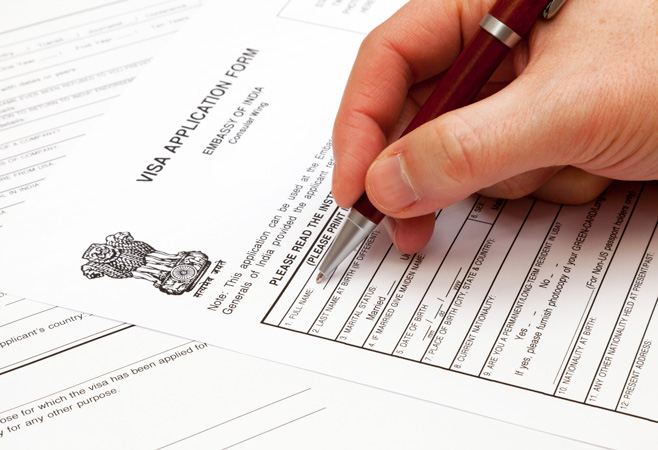
Once a visa is overstayed, it becomes invalid and cannot be used for future entry
1. Tourist Visas (Including e-Tourist Visa)
One of the most overstayed visas in India is the tourist visa. Overstaying in India on a tourist visa happens when an individual stays longer than the allowed stay period indicated on the visa or the entry stamp issued by immigration authorities. A one-day overstay is counted as a violation.
Tourist visas and e-Tourist Visas cannot be extended or converted while in India. The overstaying travelers are subject to paying the exit permit fee and relevant fines at the FRRO before leaving. Repeated or long-term overstays may lead to visa refusal or future entry restrictions.
2. Medical and e-Medical Visas
There are medical and e-Medical visas that are issued for short-term medical treatment and are generally limited to multiple entries. Violation of a medical visa by staying longer than granted may result in punishment. Nevertheless, in real-world scenarios, such as prolonged treatment or a medical emergency, travelers may seek temporary regularization or extension from the FRRO and must provide a medical certificate and permission. An overstay is considered a violation to be treated like any other visa, regardless of any permission.
3. Business and Employment Visas
Business and employment visas are subject to stricter compliance requirements. The violation of such visas is taken more seriously, in case the traveler remains in business or even employment illegally. The maximum sanctions on overstays are fines, compulsory exit permits, and blacklisting. Long-term visa violations may lead to deportation or long-term entry restrictions, and may lead to deportations and long-term or permanent restrictions on re-entering India.
4. Student and Long-Term Visas
Long-term and student visas must be registered at FRRO and followed up with the latter regarding validity. The cause of overstays is frequently connected with the lack of extensions or the inability to retain the registration status. In this instance, fines, exit permits, and subsequent visa bans can be used. Overstays that are long are counted and may have a dire impact on their future study, work, or residence visa.
Penalties and Fines for Overstaying in India on a visa
Overstaying a visa in India constitutes a violation of the Foreigners Act and Indian immigration laws and may result in penalties according to the time of overstay, the nature of the visa, and the conditions under which it was violated. Penalties apply even in cases of unintentional overstays.
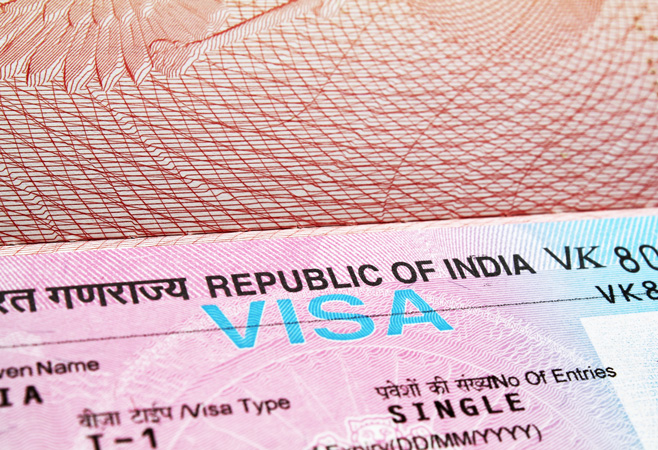
Overstaying your Indian visa can also result in legal action, including imprisonment.
1. Monetary Fines
Any foreign national who overstays their visa is usually supposed to pay a monetary penalty before they are permitted to leave India. The fines are dependent on the duration of the overstay. Minor overstays of several days can lead to the imposition of less severe fines, while extended overstays—particularly those lasting months or years—may result in substantial penalties.
2. Mandatory Exit Permit Fees
In most cases, travelers who have overstayed must obtain an exit permit from the FRRO or FRO. This can be accompanied by further administrative processes and charges, such as an explanation for the overstay and proof of onward travel.
3. Increased Scrutiny and Delays
Overstay cases often cause delays at departure points, as travelers must wait for immigration clearance. This may lead to missed flights, rebooking, and even extended accommodation costs.
4. Severe Penalties for Long Overstays
Prolonged unlawful stay of several months or years could result in deportation, detention, a temporary entry bar, or long-term limitations. In severe cases, one might be blacklisted, and one will not be allowed to enter India, which may prevent future entry into India.
5. Impact on Future Visas
The history of the visa overstay will hurt further Indian visa applications. The applicants might be refused, their visa validity levels decreased, or be subjected to further scrutiny.
6. No Guaranteed Waivers
Although the immigration authorities can take into account such exceptional cases as medical emergencies, there is no automatic forgiveness of fines or penalties. All decisions are made at the discretion of Indian immigration authorities.
In a bid to avert such consequences, tourists are advised to take keen note of their authorized stay and report to the immigration officials promptly in case they are prone to exceeding their visa.
What to Do If You Have Overstayed Your Visa
In case you have exceeded your time limit in India, you should be quick and responsible to reduce the legal and travel-related problems. Leaving the country without settling the overstay or simply ignoring the circumstance may result in serious legal consequences.
To start with, you should contact the Foreigners Regional Registration Office (FRRO) or Foreigners Registration Office (FRO) as soon as possible. These are the authorities that will manage your cases of overstays, and they will direct you on what to follow. You can be asked to provide justification for the overstay and present supporting evidence, including medical records or emergency evidence (where applicable).
Then seek an exit permit, should the FRRO/FRO request. The majority of the overstaying visa holders are expected to acquire an exit permit before they leave India. This process typically involves completing forms, paying fines, and waiting for official approval.
You must also be ready to pay any fine or fee that may arise. Fines incurred as a result of overstay are normally computed according to the duration of the overstay and are required to be paid before clearance is given for departure.
Do not attempt to extend or convert your visa without official authorization. Mostly, visas are not renewable or modifiable in India, particularly tourist and e-visa.
Lastly, do not hold departure after clearance has been issued. Make travel plans flexible in a book and have copies of every document in your case. The most effective way of solving an overstay and minimizing its effect on future visas is to take prompt action and respond fully to the immigration authorities.
Overstaying your Indian visa can result in detention by immigration officials and deportation from the country
Can an Overstayed Visa Be Extended or Regularized?
An overstayed visa in India is not a case that can be extended and regularized as a routine affair. The Indian immigration laws demand that the foreign nationals observe the stipulated period of stay strictly, and overstaying is seen as one way of violating it. But there are a few extraordinary situations when authorities can think about regularization.
Limited circumstances for extension
Extension or regularization of overstays Visa extension or regularization of overstays is only ever considered in exceptional cases. This is not right, and it is never automatic. Every case is evaluated on a case-by-case basis in light of the cause of overstay, time taken, and the adherence of the traveler to the immigration process.
Medical emergencies and force majeure cases
The extensions can be taken in case of serious medical emergency situations, hospitalization, accidents, natural disasters, or other force majeure events that obviously either prevented the prompt departure. The applicants are required to present good supporting pieces of evidence, including hospital reports, medical certificates, or official documents that state the inevitable delay.
Role of Indian immigration authorities
Such cases are at the mercy of the Foreigners Regional Registration Office (FRRO) and the Indian immigration authorities. It will not be approved regardless of justifiable documents. Mostly, the authorities can permit regularization to seek an exit permit as opposed to a full visa extension.
The electronic security of travelers should not be based on the potential to extend once they have overstayed, and they are highly encouraged to handle the visa concern before their expired time can run out.
Exit Procedures After Overstay in India: Step-by-Step Guide
In case you have exceeded your visa in India, you are required to undergo certain exit procedures before leaving the country. These are obligatory steps that have to be taken stepwise:
While in India, keep track of your visa status and make sure you are complying with all visa requirements
1. Contact the FRRO or FRO
As soon as you realize you are overstaying, report the same to the Foreigners Regional Registration Office (FRRO) or Foreigners Registration Office (FRO). They will review your case and give you their recommendations on the needed documentation.
2. Apply for an Exit Permit
The majority of the overstaying travelers have to seek an exit permit. This entails applying, giving reasons as to why the overstay took place, and showing supporting documents where necessary.
3. Pay Overstay Fines and Fees
Any fines and administrative charges that are imposed, depending on the duration and the cause of overstay, are to be paid. No clearance is obtained until payments are completed.
4. Wait for Official Approval
Processing times vary. Travelers are generally not permitted to leave India until approval is granted, unless you are given written permission.
5. Depart India Promptly
After being granted the exit permit, find a way of leaving India before the specified time frame to evade additional repercussions and inconveniences.
Tips to Avoid Overstaying a Visa in India
Overstaying a visa in India can result in fines, exit delays, and long-term immigration consequences. The best way to eliminate these issues is to ensure foreigners prepare and keep track of their visa status during their stay. The following are some of the tips in practical terms that will prevent you from overstaying your visa in India:
To avoid overstaying your Indian visa, there are several steps you can take before and during your trip to India
- Understand Your Permitted Stay Clearly
The allowed time of stay is always to be checked, not only the visa validity date. In most visas, including e-Visas, the permissible stay will commence on the arrival date rather than the date of issue.
- Track Your Visa Expiry Date
Note down your visa expiration date, and reminders should be made in advance. You can use calendar reminders or travel applications to make sure that you do not miss any important dates.
- Apply for the Correct Visa Type
Select a visa depending on the reasons for travel and the planned period of stay. Medical, business, and long-term stays are not possible with a tourist visa, and inaccurate visa selection usually creates unintentional overstay.
- Do Not Assume Extensions Are Automatic
The majority of Indian visas are not extendable or convertible in India, especially tourist and e-visas. Do not count on being able to request an extension once you have arrived.
- Contact Immigration Authorities Early
In case you feel that you might overstay because of unforeseen events, then you should contact the FRRO or FRO as soon as possible. Punishments can be minimized through early communication, and the process of leaving can be made easier.
- Keep Copies of Your Immigration Documents
Keep a copy of your visa, passport, and the entry stamp issued by immigration authorities. These forms are a must to be checked, and any problem with the visa must be sorted out.
- Monitor Entry and Exit Rules
Know the accepted airports, seaports, and exits. It can come with severe consequences to leave India without any appropriate clearance in the event of overstaying.
- Plan Departure Travel in Advance
Do not make your return flights too close to your visa expiry date. Allow buffer time for unexpected delays, health complications, or the administration process.
These measures will help travelers not only stay within the confines of the Indian immigration laws, but also have a stress-free and hassle-free visit to India.
How Overstaying Affects Future Travel to India
Overstaying a visa in India can have long-lasting consequences that extend beyond the current trip.The immigration control officers in India keep good records of compliance with the visa, and any record of overstay is strictly scrutinized when the person applies again.

Overstaying your Indian visa can also have a negative impact on future travel plans
1. Increased Risk of Visa Refusal
The greatest effect of a visa overstay is an increased risk of a visa refusal in the future.Even applicants who had an overstay in the past can be said to be non-compliant in spite of any short or unintended overstay.
2. Shorter Visa Validity or Restricted Visa Types
A new visa after an overstay can be given with lesser validity, entries, and restrictions.The government can also restrict applicants to short-term visas rather than long-term or multiple-entry visas.
3. Additional Scrutiny During Processing
Further applications may receive more background checks, demands for explanation, supporting documents, or evidence of adherence in other nations.This tends to lead to extended process times.
4. Possible Entry Bans or Blacklisting
More severe or long-term cases of overstays may result in temporary entry bans or blacklisting.In this scenario, affected travelers may be barred from entering India for a specified period.
5. Complications at Immigration Checkpoints
In spite of a granted visa, individuals who have previously overstayed are likely to be questioned at the point of entry, wait longer, or be more scrutinized by the immigration officers on entry.
6. Impact on Other Countries’ Visa Applications
Although an overstayer does not necessarily impact other countries' visas, there is certain information sharing or past compliance that is used in the evaluation of applications in some immigration systems.
To cushion their plans to travel, the travelers are advised to adhere strictly to the visa terms, address any overstay problem appropriately, and maintain a clean immigration history once in India.
Conclusion
Overstaying a visa in India may have severe legal, financial, and travel-related implications both in the short and the long run.In a single trip, the effects of an overstay can last much longer than the fines and exit permits; they can go all the way to a visa refusal and even an entry ban.To avoid complications, it is necessary to understand Indian immigration rules, keep track of your legal status, and act in time in case of any problems. By doing so, foreign travelers can protect their immigration records and avoid unnecessary complications when visiting India in the future.
Check Out What’s In India