Difference Between India eVisa and Regular Visa for Travelers
Updated: May 27, 2026
Understanding the distinction between an India eVisa and a Regular (Sticker) Visa is crucial for a hassle-free journey. While both grant entry into India, they differ significantly in application complexity, flexibility, and processing time.
This guide breaks down everything you need to know to choose the right option for your trip.
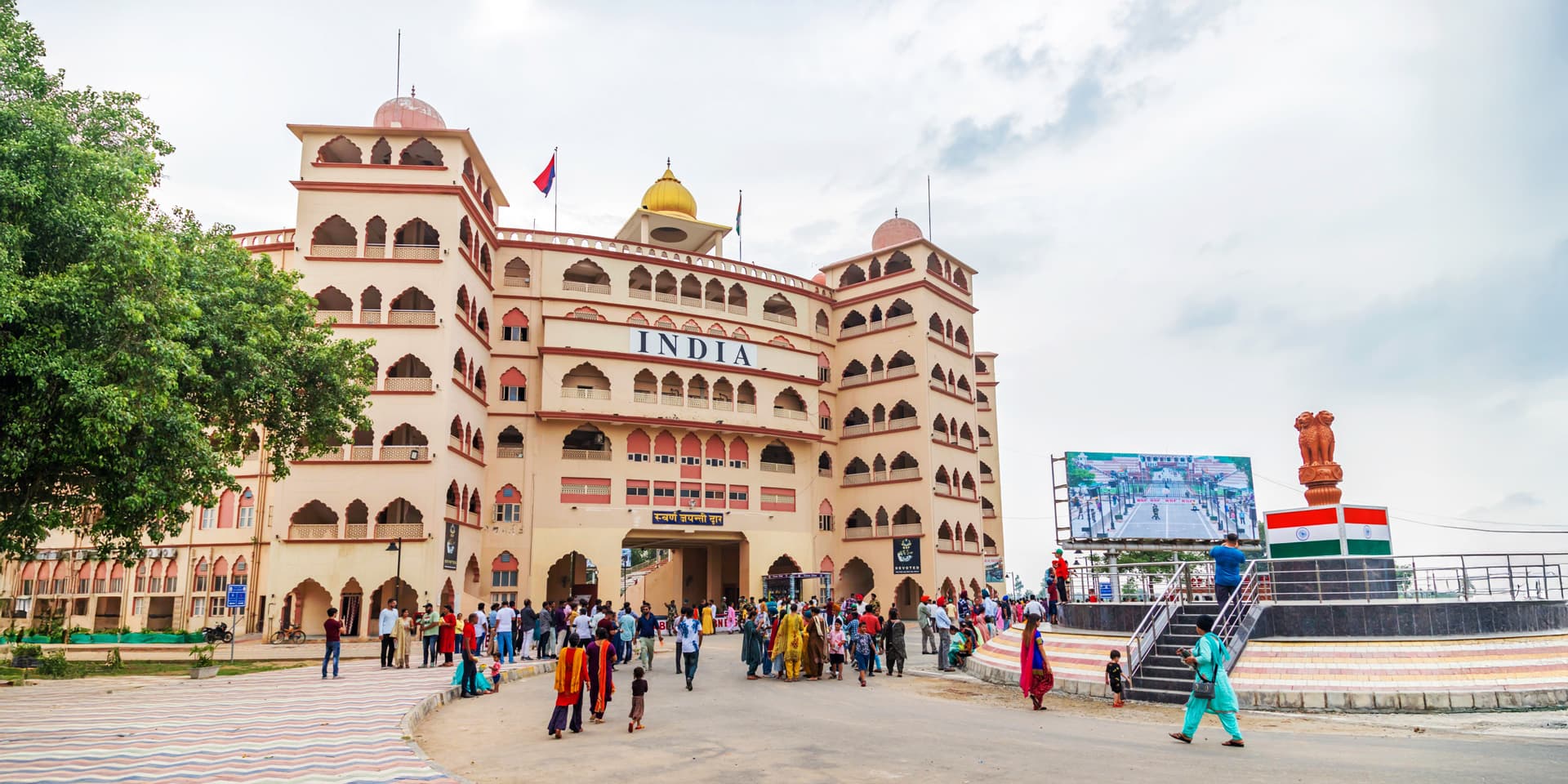
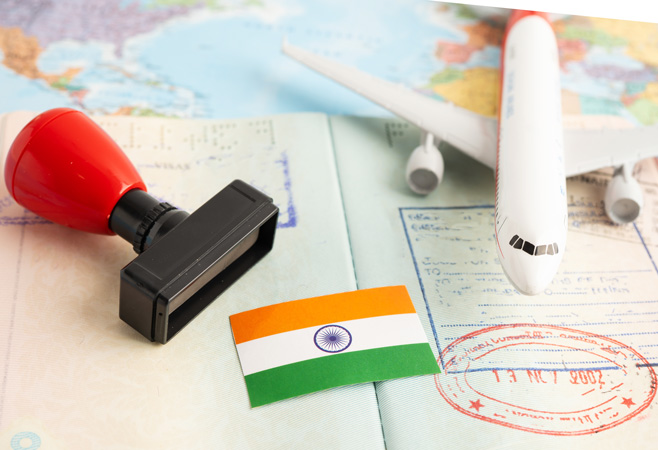 Understanding the differences between an Indian eVisa and a Regular Visa can help travelers choose the most suitable visa option for entering India
What is the India eVisa?
The India eVisa is a 100% digital travel authorization. It is designed for travelers who want to avoid visiting an embassy or mailing in their physical passport.
Key Features:
- 100% Online: No physical interviews or embassy visits required.
- Fast Processing: Appli.cations are often processed within 48–96 hours, although timelines can vary
- Designated Entry: Valid for entry through 31 designated international airports and 6 major seaports (e.g., Delhi, Mumbai, Goa).
- Exit: You can exit through any authorized Immigration Check Post (ICP) in India.
- Continuous Stay: For 1-year and 5-year visas, most nationalities are limited to 90 or 180 days of continuous stay.
Expert Tip: Some applicants encounter technical issues or strict upload requirements on the official portal. Our team reviews your documents before submission to help reduce common application mistakes and delays. We review your documents to meet standards before submission.
India e-Visa Sub-Categories
The India e-Visa includes five main sub-categories:
Sub-Category | Validity | Purpose |
e-Tourist Visa (30 days) | 30 days from entry | Recreation, sightseeing, visiting friends/relatives |
e-Tourist Visa (1 year) | 1 year, multiple entries | Same as above |
e-Tourist Visa (5 years) | 5 years, multiple entries | Same as above |
e-Business Visa | 1 year, multiple entries | Business activities |
e-Medical Visa | 60 days | Medical treatment |
e-Medical Attendant Visa | 60 days | Accompanying a medical patient |
e-Conference Visa | 30 days, single entry | Attending conferences/seminars |
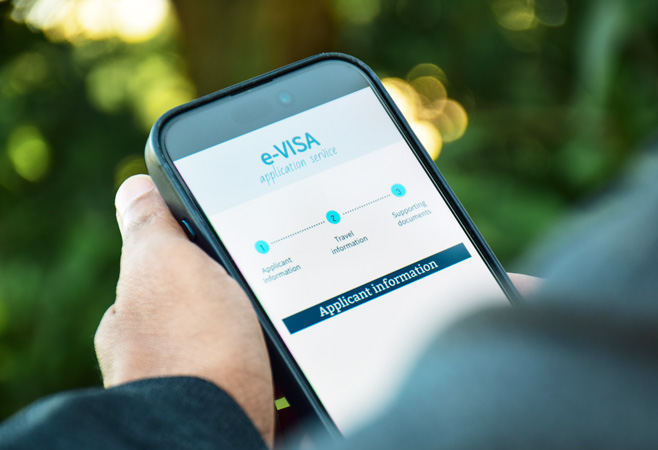 Travelers can conveniently apply for an India eVisa online by using a laptop and digital travel documents.
What is a Regular (Sticker) Visa?
A Regular Visa is a traditional visa stamped physically into your passport by an Indian Embassy or Consulate.
Key Features:
- Physical Submission: Requires mailing your passport or attending an appointment.
- Universal Entry: Valid for entry via land borders (e.g., crossing from Nepal), airports, and seaports.
- Long-Term Flexibility: Available for durations of up to 10 years (depending on nationality).
- Wider Categories: Essential for students, journalists, researchers, or those seeking employment.
Regular Visa Categories
Unlike the e-Visa, Regular Visas are available for all purposes of travel, including:
Visa Type | Code | Typical Validity |
Tourist | T | Up to 10 years (US nationals) |
Business | B | 3 months – 5 years |
Employment | E | Up to 1 year (extendable in India) |
Student | S | Duration of the course |
Entry (PIO/Family) | X | Co-terminus with principal visa |
Research | R | Project duration |
Conference | C | Conference duration |
Journalist | J | Up to 3 months |
Transit | TR | 15 days (max 3 days stay) |
Intern | I | Up to 1 year |
Film | F | Shooting duration |
Medical | M | Treatment duration |
Key Differences Between the India eVisa and Regular Visa
| Feature | India eVisa (Online) | Regular Visa (Sticker) |
| Application Method | 100% online, no embassy visit | Apply via embassy/consulate, submit passport |
| Processing Time | 48–96 hours (fast) | 5–15 business days (sometimes longer) |
Passport Handling | Keep your passport | Must submit a passport physically |
| Validity Options | 30 days, 1 year, or 5 years | Up to 10 years (varies by category) |
| Visa Categories | Tourist, Business, Medical, Conference | Tourist, Business, Employment, Student, Research, Journalist, etc. |
Entry Points | 28 airports + 5 seaports only | Any port of entry, including land borders |
Extendable in India | ❌ Not extendable | ✅ Some categories can be extended |
| Eligibility | 166+ countries | All nationalities |
| Cost | Generally lower | Higher, varies by type |
India e-Visa and Regular visa: Which One Should You Choose?
Choose an India eVisa if:
- You are traveling for tourism, business, or short-term medical treatment.
- You want a fast, contactless procedure from the comfort of your home.
- You are staying for less than 180 days (or 90 days, depending on your country).
- Avoid the Hassle: Applying via the official site can be frustrating due to image compression rules. Our India e-Visa service handles the technical heavy lifting, providing 24/7 support.
Choose a Regular Visa if:
- You plan to enter India via a land border (e.g., Nepal or Bangladesh).
- You intend to study, work, or engage in long-term journalism/research.
- You are not a citizen of the 170+ countries eligible for the eVisa.
- You need a stay exceeding the limits of the eVisa program.
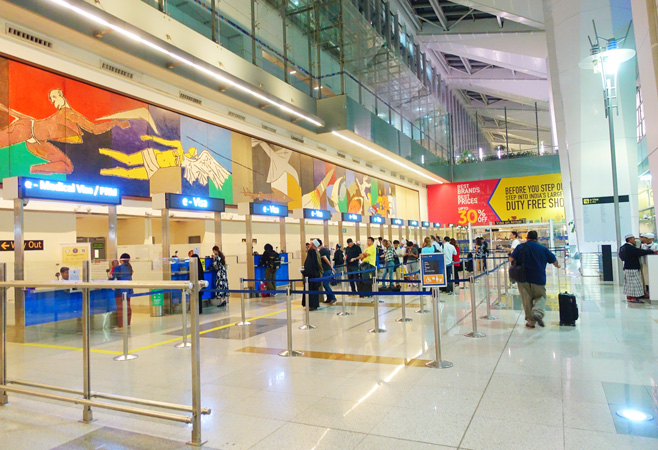 Whether an India eVisa or a Regular Visa is better for you depends on the purpose and length of your visit to the country
Important Considerations
Entry Restrictions: eVisa users are not allowed to enter the country via land borders but through designated ports of entry, be it airports or seaports.
Extension Rules: eVisas are not extendable within India, and Regular Visas can be extended based on the type.
Eligibility Check: Not every nationality is eligible to use an eVisa; it is always important to check the eligibility of the nationality before applying.
Cost Factor: eVisas are typically cheaper, whereas Regular Visas might be more cost-effective in the case of longer stays.
Frequently Asked Questions (FAQ)
Can I extend my eVisa while inside India?
No. eVisas are generally non-extendable. The only exception is the e-Medical Visa, which may be extended in specific cases with approval from the FRRO. For long stays, a Regular Visa is the safer choice.
Is it possible to exchange my eVisa for a standard visa when in India?
No. In case you require a different kind of visa or a more extended stay, you have to leave India and apply through an Indian Mission in any other country.
Is the eVisa the same as "Visa on Arrival"?
No. India only offers a limited Visa on Arrival (VoA) for citizens of Japan, South Korea, and the UAE.
For everyone else, you must have your eVisa approved before you board your flight. Even for VoA-eligible citizens, an eVisa is often recommended to avoid long queues at the airport.
What happens if my eVisa payment fails on the official site?
This is a common issue with the government portal. If your payment fails three times, your application may be locked. By using our Service, we ensure secure, multi-currency payment processing to prevent these delays.
Final Thoughts
The difference between an eVisa and a regular visa for India comes down to convenience vs flexibility. The eVisa is ideal for short, hassle-free trips. The regular visa is better suited for long-term stays and specialized purposes.
Choosing the right visa type will save time, reduce stress, and ensure compliance with Indian immigration rules.
Check Out What’s In India